

Hey you!
Hope you're staying cool out there! ☀️💦
During a heatwave, don’t forget about our feathered friends — birds suffer too when temperatures soar.
As I mentioned in the previous episode, leaving out a shallow dish of water can already make a huge difference for them.
But you can also:
🪹 Leave a patch of your garden a little wild (with some bushes or a wood pile) to provide shady shelter,
🐛 Mow less often, to preserve the insects they feed on during summer.
💡 Bonus tip: some birds — like the one we’re discovering today — are big fans of sunflower seeds. You can place a handful in a suitable feeder, ideally in the shade and out of reach of cats.
⚠️ 2 important updates about Berthelot:
Over the past few weeks, I’ve been traveling quite a bit — which led me to switch to digital drawing, as you may have noticed.
So here’s the official news: this will be the last issue in digital format. ✨ Starting next week, it’s back to felt-tip pens and watercolor!
I’m so excited to return to hand-drawn lines and to share even more personal, textured, and sensitive illustrations with you.
Another little update: Berthelot is going bimonthly!
From next week on, you’ll get a new bird in your inbox every two weeks, instead of weekly.
This gives me time to refine the content, and also dedicate energy to other creative projects I care about — which I hope to tell you more about soon! 😊
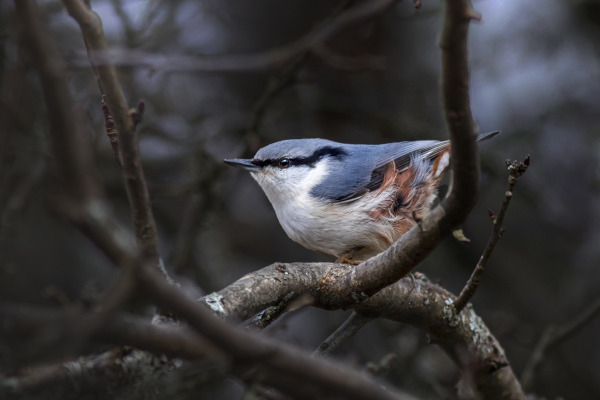
So, today I leave you in the company of a tiny, acrobatic forest bird that I was lucky enough to observe in the Slovenian woods!
Agile and full of character, it scurries down tree trunks like a tightrope walker, squeaks like a toy, and builds its nest with mud...
Meet the Eurasian Nuthatch!
🪶 Eurasian Nuthatch – Sitta europaea
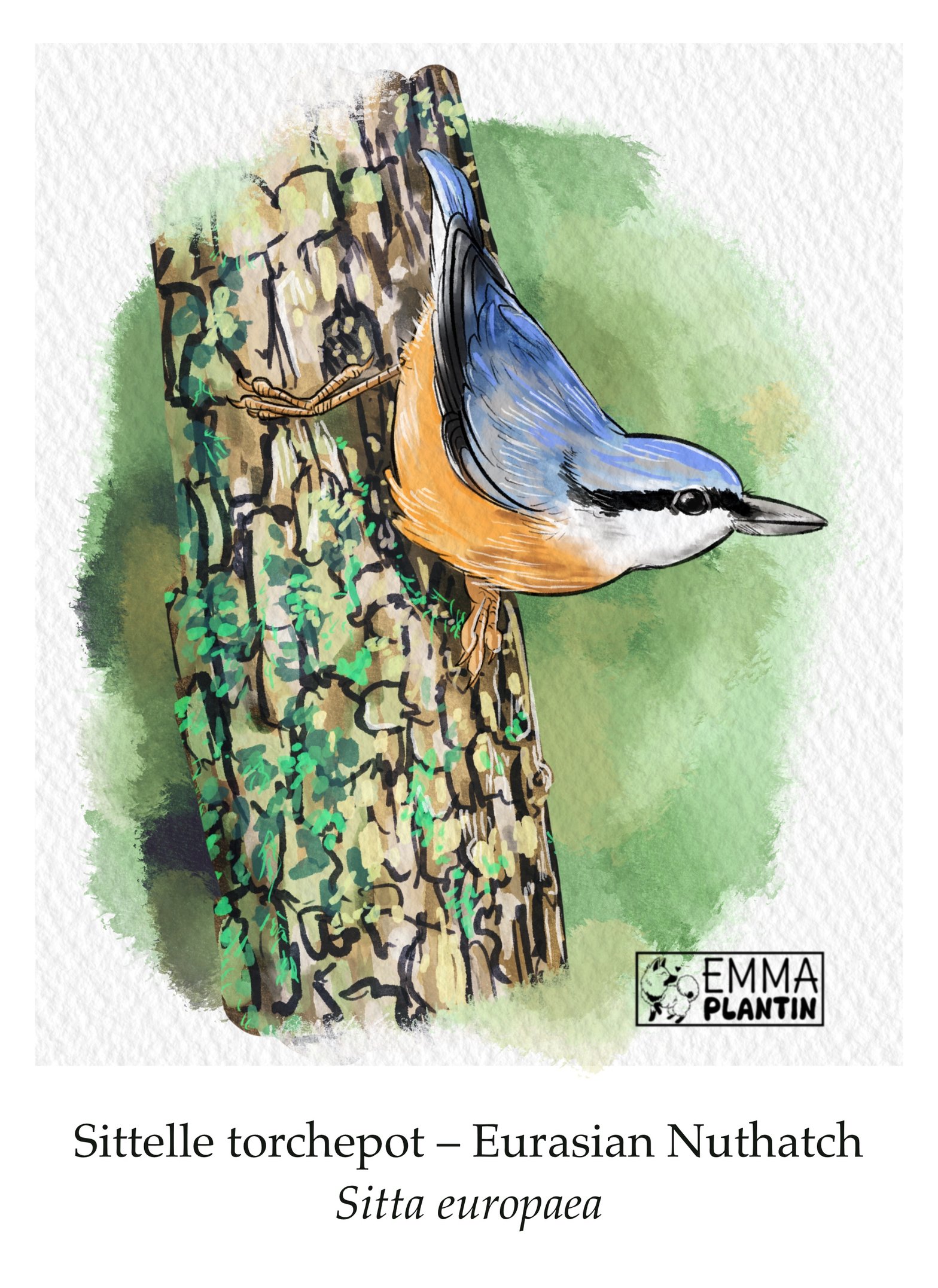
Discreet but full of life, the nuthatch is a clever and energetic little bird.
🔍 What does it look like?
It’s a small, stocky bird with short legs and a sharp beak.
About 14 cm long (like a Great Tit), it looks rounder and more compact.
Key ID features:
A bluish-grey back and a warm orangey-chestnut underside (brighter in males),
A black eye stripe, like a tiny Zorro mask,
A unique posture: it often moves vertically down tree trunks, head first — which is rare in birds!
🔄 Males and females look quite similar, though males tend to have slightly more vivid coloring.
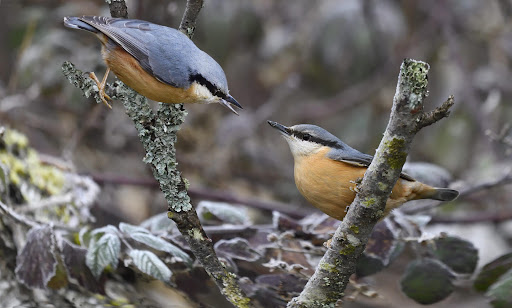
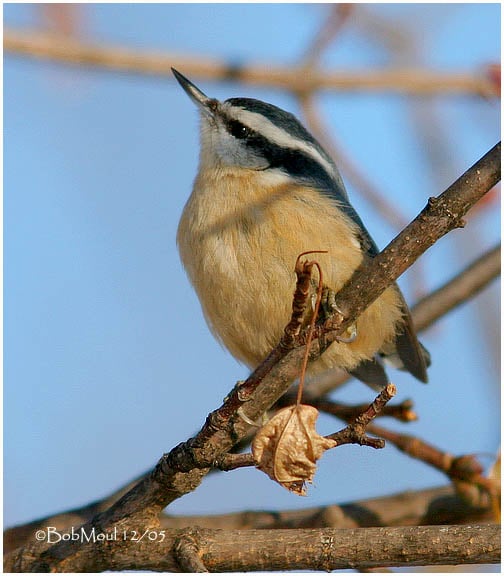
💡The Eurasian can be confused with the Red-breasted Nuthatch, native to North America. However, the second one is smaller than the Eurasian Nuthatch, with a shorter, thinner bill, and a distinctly different head pattern — a completely black crown, and a bold white eyebrow above a dark stripe running through the eye.
This is a Red-breasted Nuthatch.
🎶 More of a squeak than a song
It doesn’t really sing... but it definitely makes itself heard!
Common calls: a nasal “tweet tweet” or metallic “te-te-te”;
Territorial song: a loud series of repeated or descending notes.
💡 You’ll often hear them as early as February, as they’re among the first forest birds to sing.
🎧 Listen here 👉 Nuthatch call and song
🧠 A skilled DIY nest builder
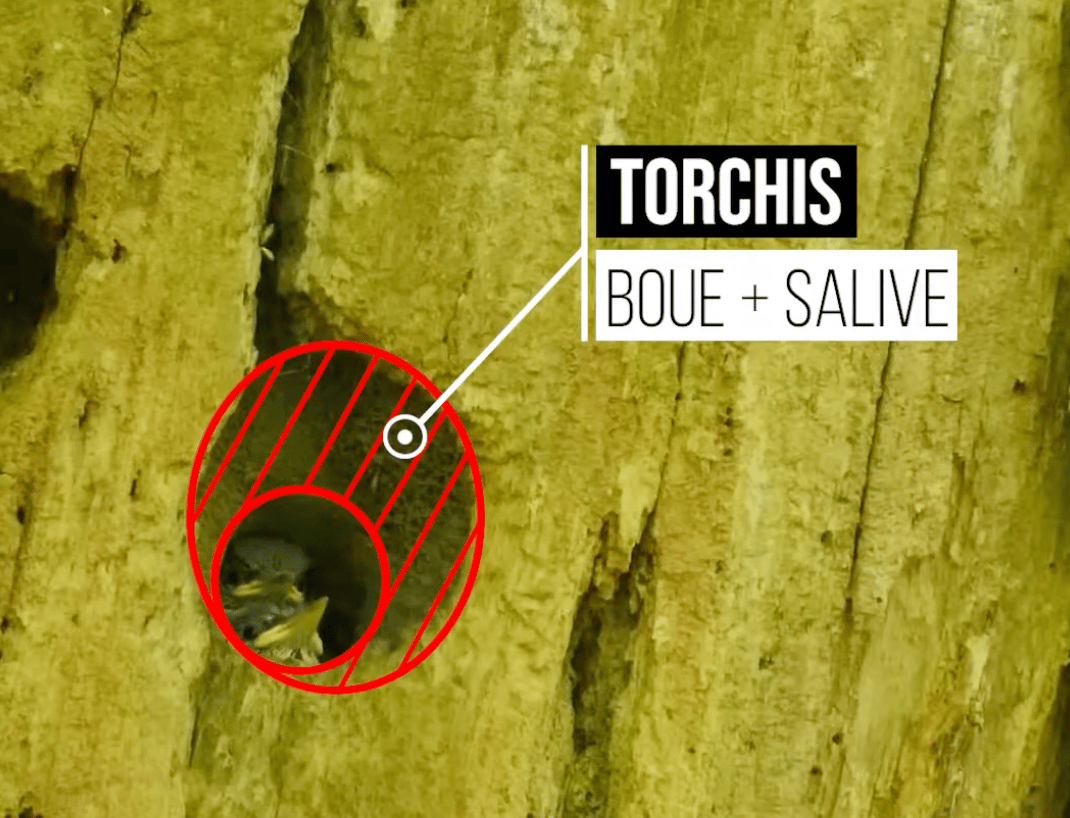
The French name ‘Sittelle torchepot’ (="mud plasterer") refers to a peculiar nesting habit:
The nuthatch plasters the entrance of its nest cavity with mud, narrowing it just enough to fit its own body.
This prevents predators or larger birds (like woodpeckers) from getting inside!
It usually nests in an old woodpecker hole, which it carefully adapts (it’s a cavity-nesting species);
It lines the inside with chips, leaves, or fur;
Lays 5 to 9 white, speckled eggs, mostly incubated by the female.
📸 The image is taken from a video by Les Ornithonuls, a fantastic French YouTube channel.
They offer stunning bird footage and super clear explanations.
🔗 You can Check out their channel here
🏞️ Where does it live?
You’ll find it in:
Deciduous or mixed forests, especially with mature trees (oaks, beeches);
Parks, wooded gardens, and even orchards, as long as there are trunks to explore!
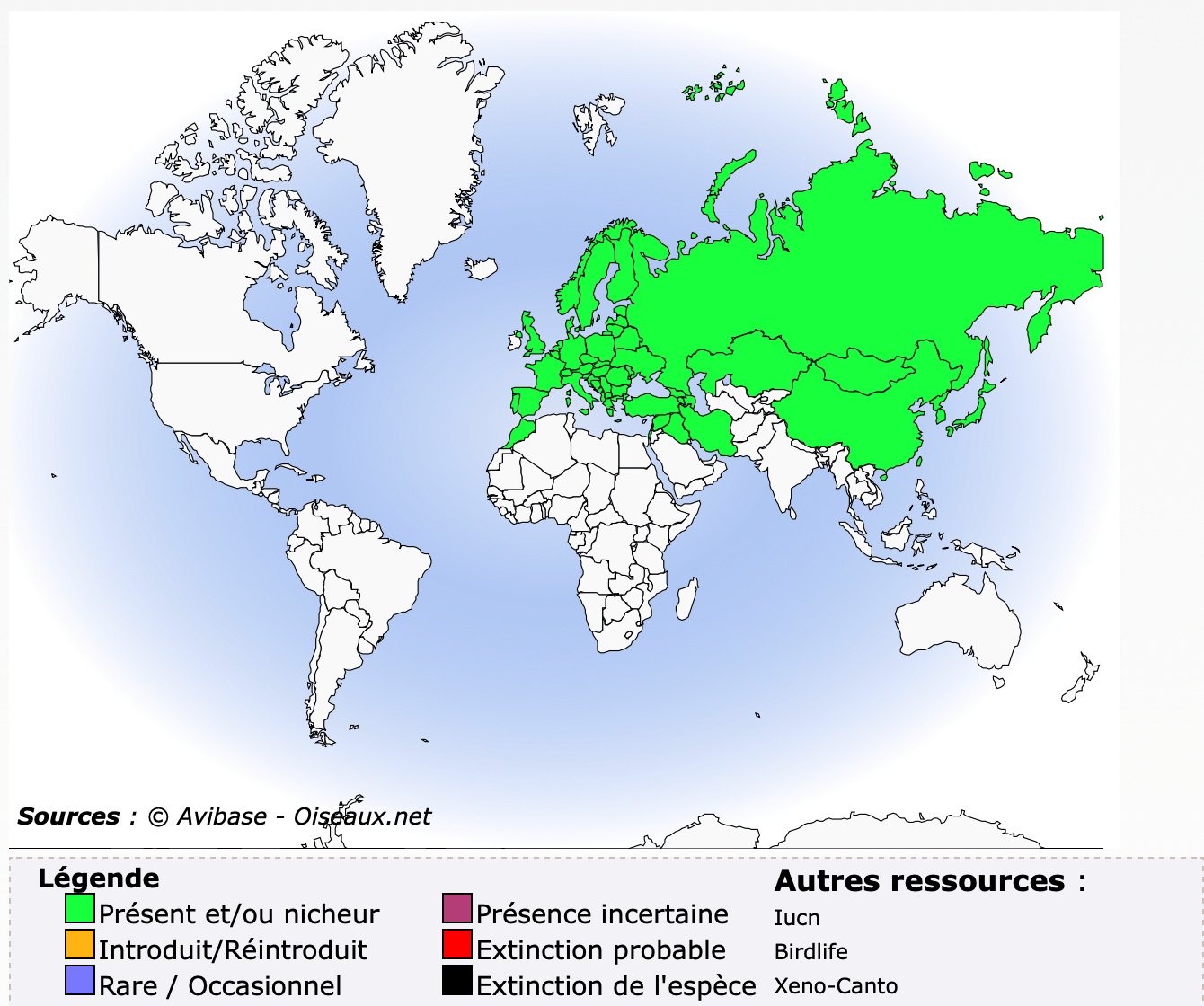
It’s a year-round resident, very territorial, and usually spotted alone or in a pair (they tend to be monogamous).
here is a map to see its distribution:
🍽️ What’s on the menu?
The Eurasian Nuthatch has a varied forest diet:
Insects and larvae, which it finds by probing bark crevices,
Seeds, especially during winter (it’s a big fan of sunflower seeds!),
Nuts and beechnuts, which it wedges into cracks to hammer them open with its beak.
🌍 Conservation status
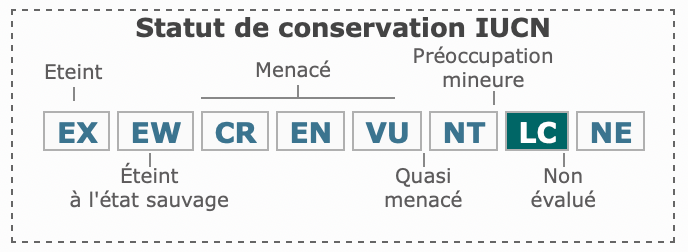
🟢 Listed as “Least Concern” by the IUCN — the nuthatch is still widespread across Europe.
But it’s vulnerable to habitat loss, especially the disappearance of old trees, which are crucial for nesting. Overly tidy parks and forests can work against them.
💡 Fun facts
Nuthatches are known to use tools!
Their population has actually increased since the 1960s — in rich habitats, you can find 3 to 7 breeding pairs per hectare, which is very high for birds.
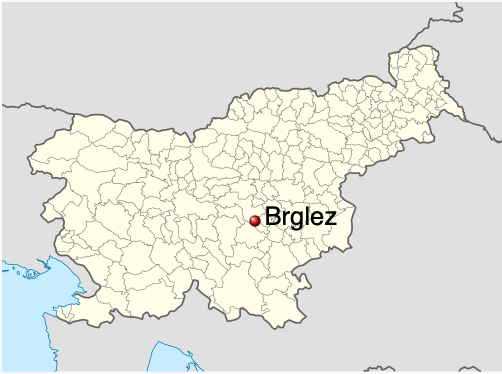
In Slovenia, the nuthatch is called Brglez (pronounced “beurglaize”… I saw that little smirk, you tried to say it 😆).
It’s also the name of a tiny hamlet southeast of Gabrovka, in the municipality of Litija, central Slovenia.
Some nice videos to watch :
🎥 5 cool things about Nuthatches
And this cute one 🥹 It’s another kind of Nuthatch but it’s adorable !
📖 More details on oiseaux.net (in French, but full of great pictures and data)
I hope you like these anecdotes !
See you soon for more cool facts about birds 👀

🕊️ I need your help to make Berthelot fly further! 🙏
🎁 Support me by visiting the Berthelot Shop or by downloading a mobile wallpaper!
You'll find a gallery of all the birds I've drawn since the start of the project. Every purchase will be converted into a donation for bird protection associations.
👆And/Or 👇
Share your personal link (and earn rewards based on the number of subscribers who sign up!) 🎉