

Hello there! I hope you're doing well 🌼
Remember: this content is offered to you for free. So if you like it and want me to keep sending it to you:
👉 Like, comment, and especially share using the banner at the bottom of the newsletter...
It's also free 🙏 and for me, it's the best kind of support! 🤩
Hello everyone, I hope it's not too hot where you are 🥵
Here's what's on the menu for today:
A few words on the Duplomb law in France (to wrap things up):
The petition, which gathered more than 2.1 million signatures, has clearly played a role in raising collective awareness, even though the law is still only partially applied...
❌ Law still enforced for:
Facilitating the construction of water basins and storage facilities.
Simplifying procedures for expanding livestock farming.
✅ Law repealed for:
Reintroduction of acetamiprid (a neonicotinoid) with exceptions.
In conclusion, this mobilization shows how useful it is to come together to defend our values. We’ve witnessed real solidarity and concrete impact in this case, proving that our voices can make a difference!
Results of the mini-survey 🌼
My mini-survey last week on the question "Would you prefer your donations to support an association or the author directly?" surprised me by leaning towards the second option...
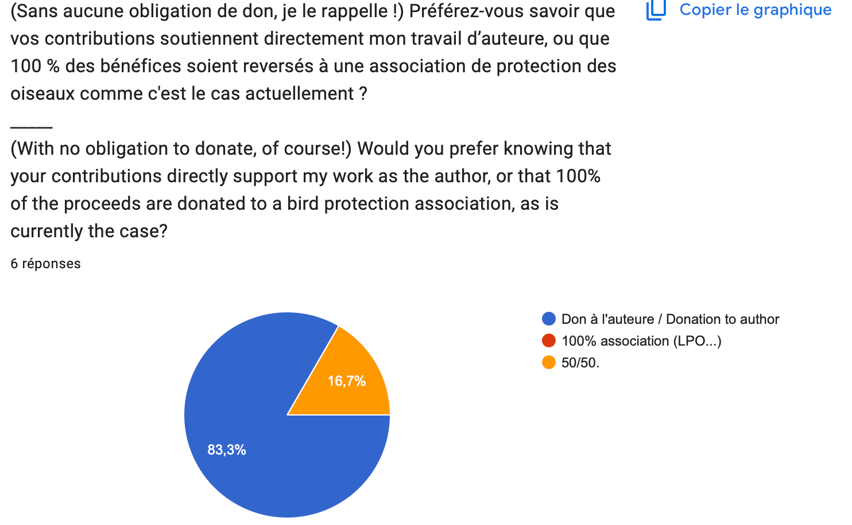
I needed this survey to better understand your motivations and feel more confident in my message. A big thank you to those who answered! I'm happy to announce that future donations will go directly to me for financial support of this work 🙏.
Of course, I remind you that these donations are completely optional, and the biggest support you can give me is sharing. Honestly, my readership has been stagnant for a few months, and I think it's time to step it up 😬. I’m going to rethink how I present the information and make the articles/drawings more engaging while coming up with a new strategy to boost engagement.
👉 If you have ideas/suggestions to improve the newsletter, feel free to email me at plantinemma@gmail.com.
Lastly, personal update:
We are no longer moving to Bordeaux in September, but to Amsterdam, and we’re thrilled with this change of plans! 🎉 🤩
👉 I won’t elaborate too much, but for the curious ones, check out this reel that explains this plot twist in 3 minutes!
Now, let’s move on to the bird of the day! 🕊️
Today’s bird was chosen by a subscriber who sponsored 1 person for the newsletter. The more you sponsor, the more perks you unlock 🤩 so feel free to go all in!
🦅 The Common Buzzard (Buteo buteo): The Bird with a Thousand Faces
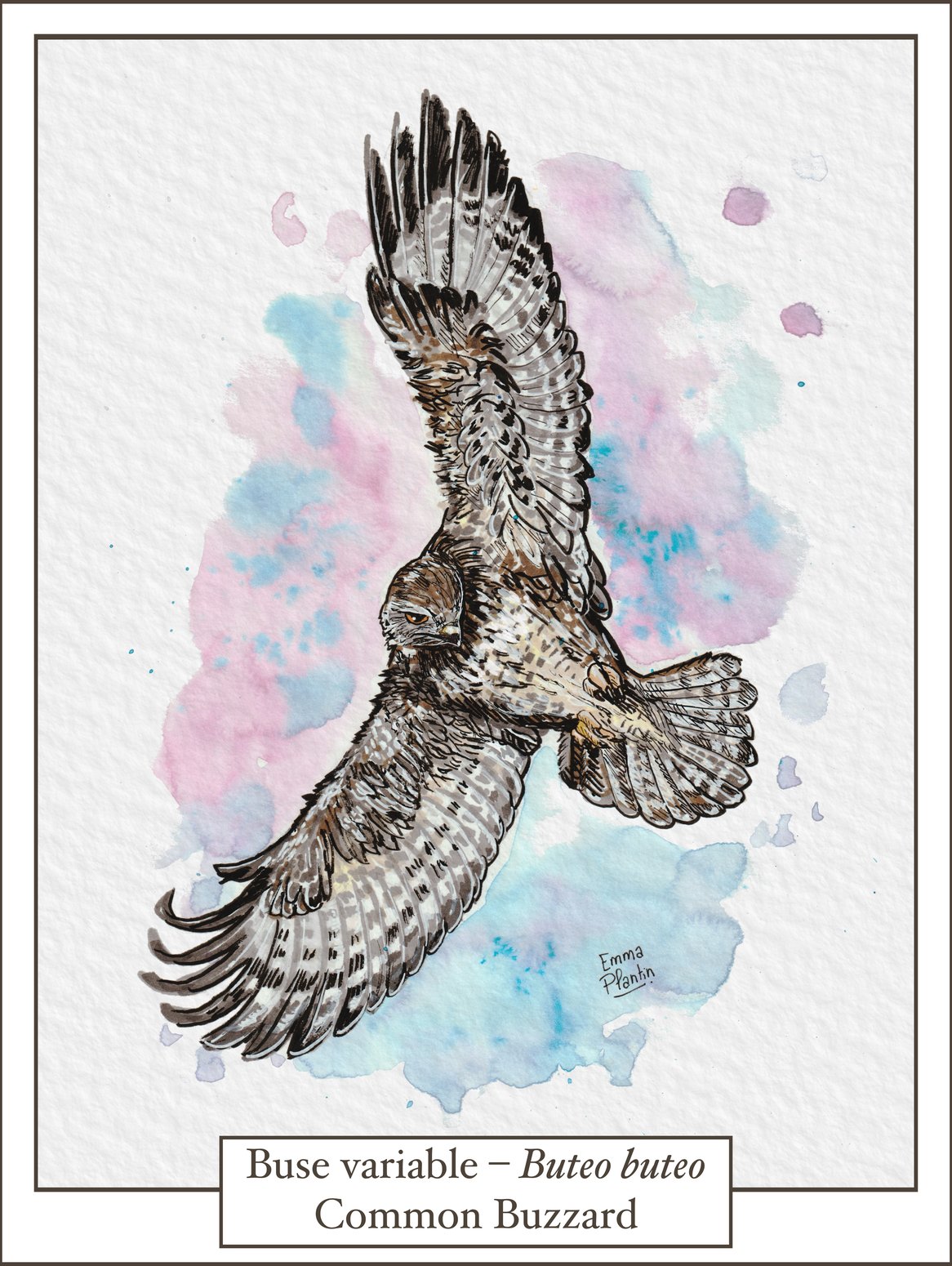
The common buzzard (Buteo buteo) is one of the most widespread raptors in Europe, especially in France, where it is present year-round. Its special feature? A highly variable plumage, ranging from pure white to dark brown, which can sometimes make identification tricky.
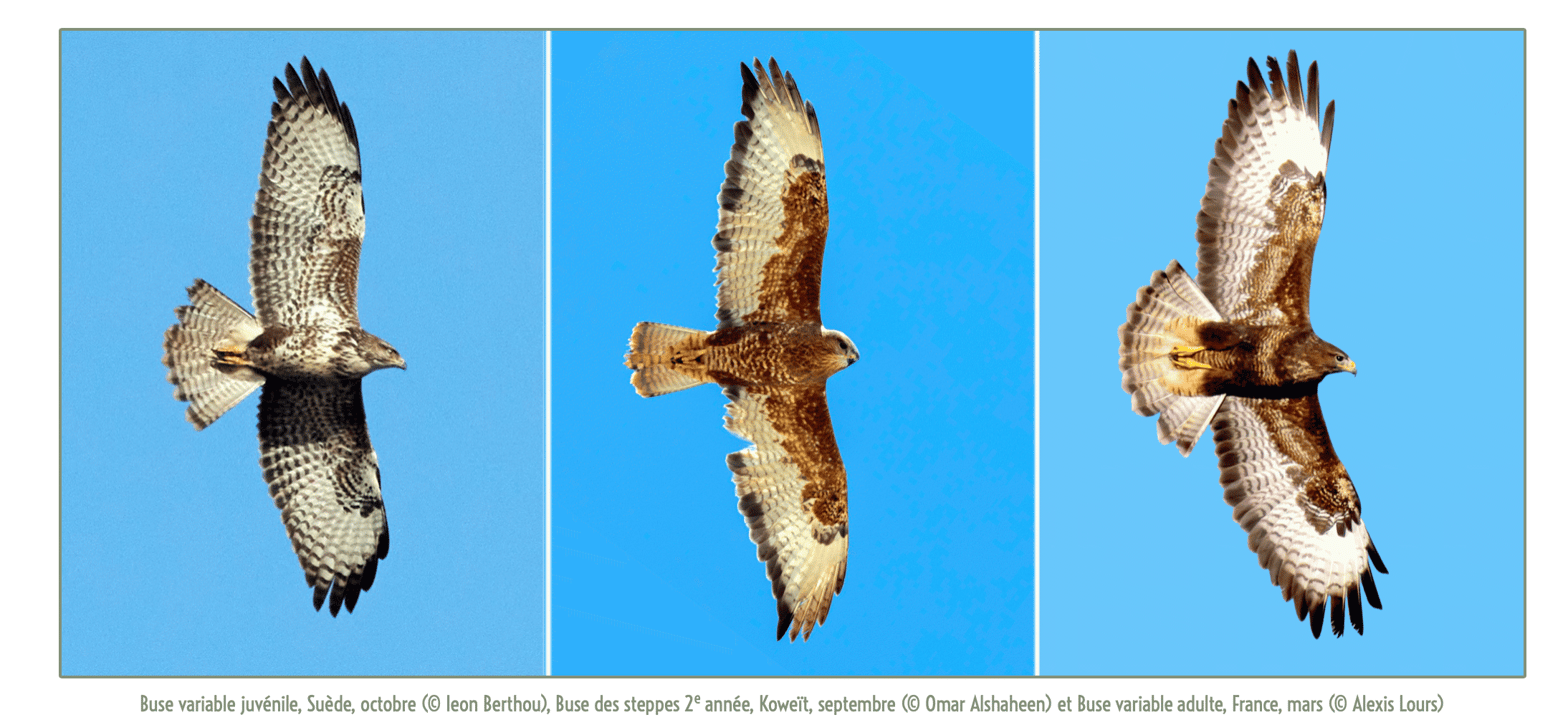
🕵️♂️ How to avoid confusing it?
The buzzard can easily be confused with other raptors, such as the honey buzzard (slimmer and more graceful) or the black kite. To tell them apart, look at the tail shape: rounded in the buzzard, forked in the kite. The buzzard also has a stocky body with a large head, while the honey buzzard has a smaller head and a longer tail.
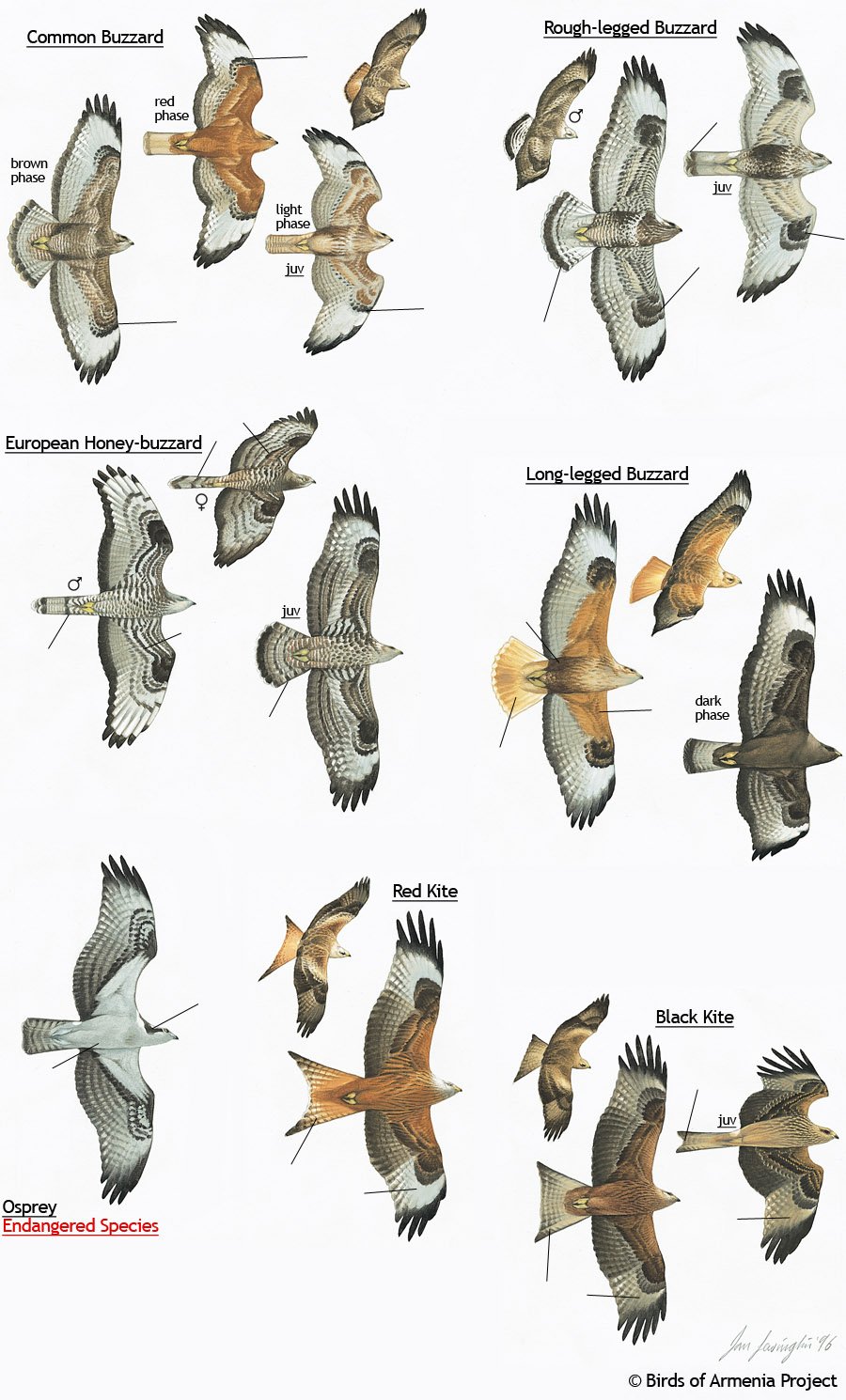
Remember: Buzzard, Bumpy tail.
By the way 👂 here’s its call!
🌿 A Farmer’s Ally
The buzzard is an effective predator of small mammals like voles, which are pests for crops. It plays a key role in controlling rodent populations.
In winter, it doesn’t hesitate to feed on carrion, playing an important role in recycling organic waste. This opportunistic behavior makes it a key player in maintaining ecological balance, although it’s often overlooked. So, it’s not only a predator but also a kind of “natural cleaner”!
🏡 Family Matters...
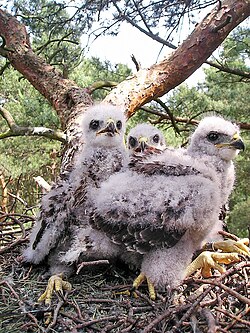
The buzzard builds its nest in tall trees, where the female lays 2 to 3 eggs. After about a month of incubation, the chicks hatch blind and dependent, but become almost independent within two months. Buzzards are generally monogamous, forming lifelong pairs and returning to the same nesting site each year.
📚 A Historical Anecdote
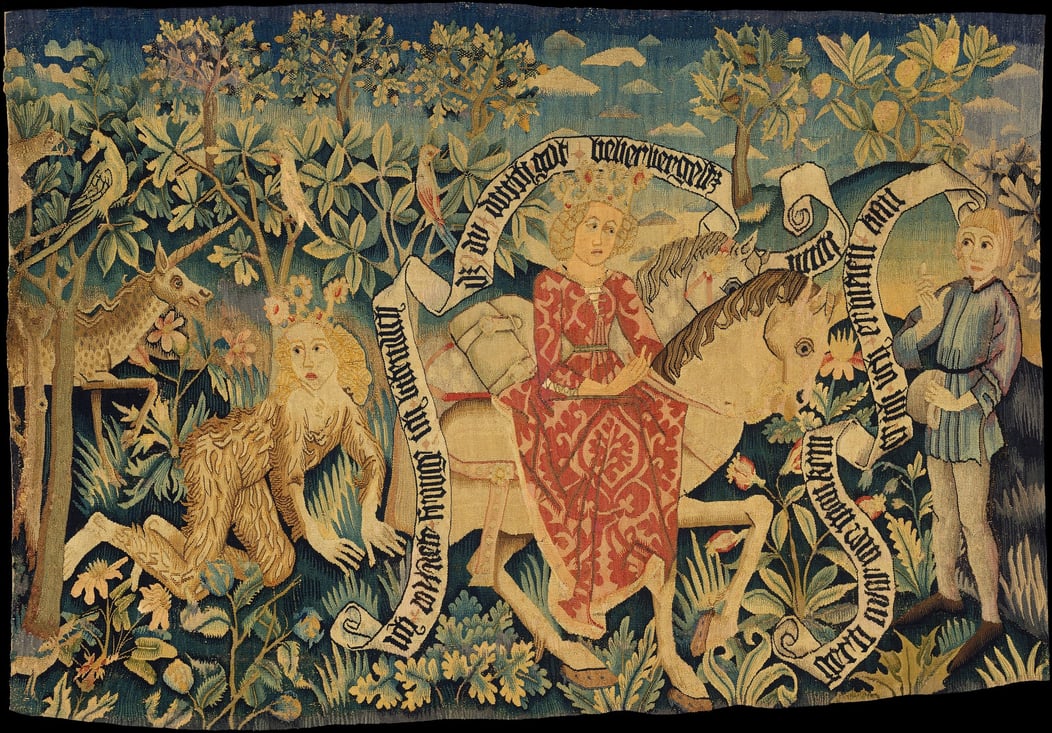
Did you know that the buzzard inspired a German medieval legend? In the epic poem Der Busant, a buzzard steals a precious ring, separating two lovers. This story captured the collective imagination and even influenced later literary works. (Wikipedia)
🛡️ Conservation Status
The buzzard has long been persecuted, particularly in the 16th century, due to its attacks on poultry and game. This intensive hunting led to its near disappearance in some regions of Europe. However, this species made a remarkable comeback, and today, it is one of the most abundant raptors on the continent, with an estimated population of one million pairs. Since the 1980s, its numbers have been growing in most European countries. Incredible resilience!
It has been legally protected in France since 1972. However, it remains vulnerable to threats related to intensive farming and road accidents.
👉 UICN status here.
💡 Other Fascinating Anecdotes…
A Masterful Flight: The Buzzard’s "Hovering" 🦅
The buzzard is a master of the skies thanks to its stationary flight technique, or “hovering,” which allows it to scan its territory with incredible precision. By exploiting thermal currents, it remains suspended in the air effortlessly, observing even the smallest movements below. This clever technique makes it a feared predator and enables it to cover vast hunting areas with ease.
Eyes Bigger Than Its Stomach 👀
Even the fiercest hunters, like the buzzard, can sometimes get carried away by ambition. It’s not uncommon for them to target prey larger than themselves, but once the battle is won, the next challenge is how to carry this cumbersome catch! A striking example of this dilemma is shown in a National Geographic video, where you can watch a buzzard deal with this exact situation.
The Mysterious Greek Legend: "The Bird with Three Testicles" 🫣
The story of the buzzard goes back to ancient Greece, where it may have been the bird called τρίoρχις (tríorkhis), meaning literally "three testicles." This legend persisted well beyond antiquity, reappearing as Buteo triorchis in the writings of scientists like Christopher Merrett in the 17th century. The rumor went that the Italian ornithologist Ulisse Aldrovandi had dissected a male buzzard and found three testicles, though British ornithologist Francis Willughby was never able to confirm this strange observation. A myth that has endured through the ages, adding a touch of mystery to this bird…
And if someone calls you a “Triple Buzzard,” maybe this video will prove that it’s no longer an insult!
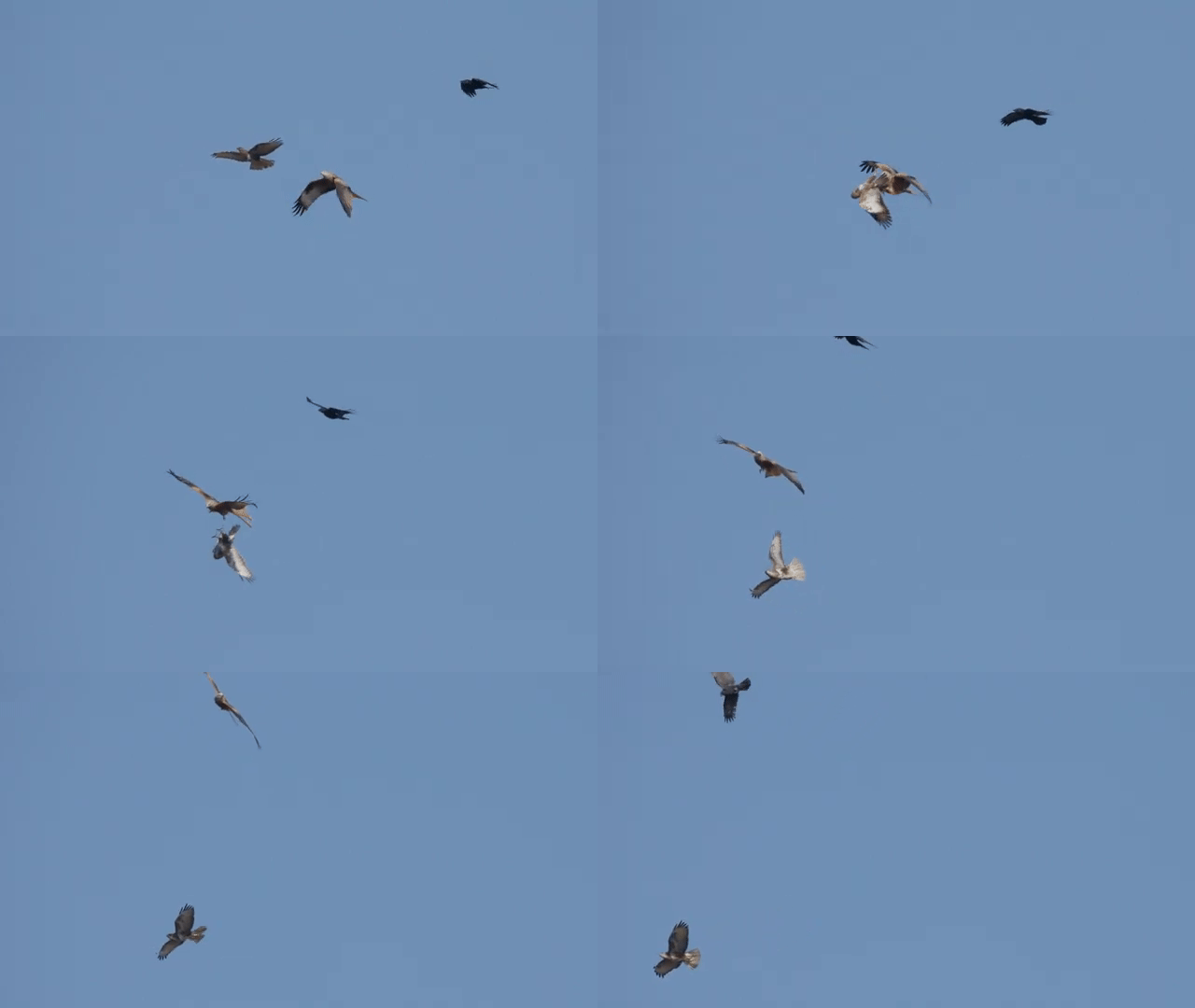
🎥 I’ll leave you with this spectacular video of a buzzard, a royal kite, and two crows fighting. Guaranteed 4K spectacle on YouTube!
Thank you for reading! I hope you enjoyed this episode.
If so, share it with others, and try your luck at winning exclusive perks through sponsorship!
See you soon ☀️
For any comments/suggestions, feel free to email me at: plantinemma@gmail.com
🕊️ I need your help to make Berthelot fly further! 🙏
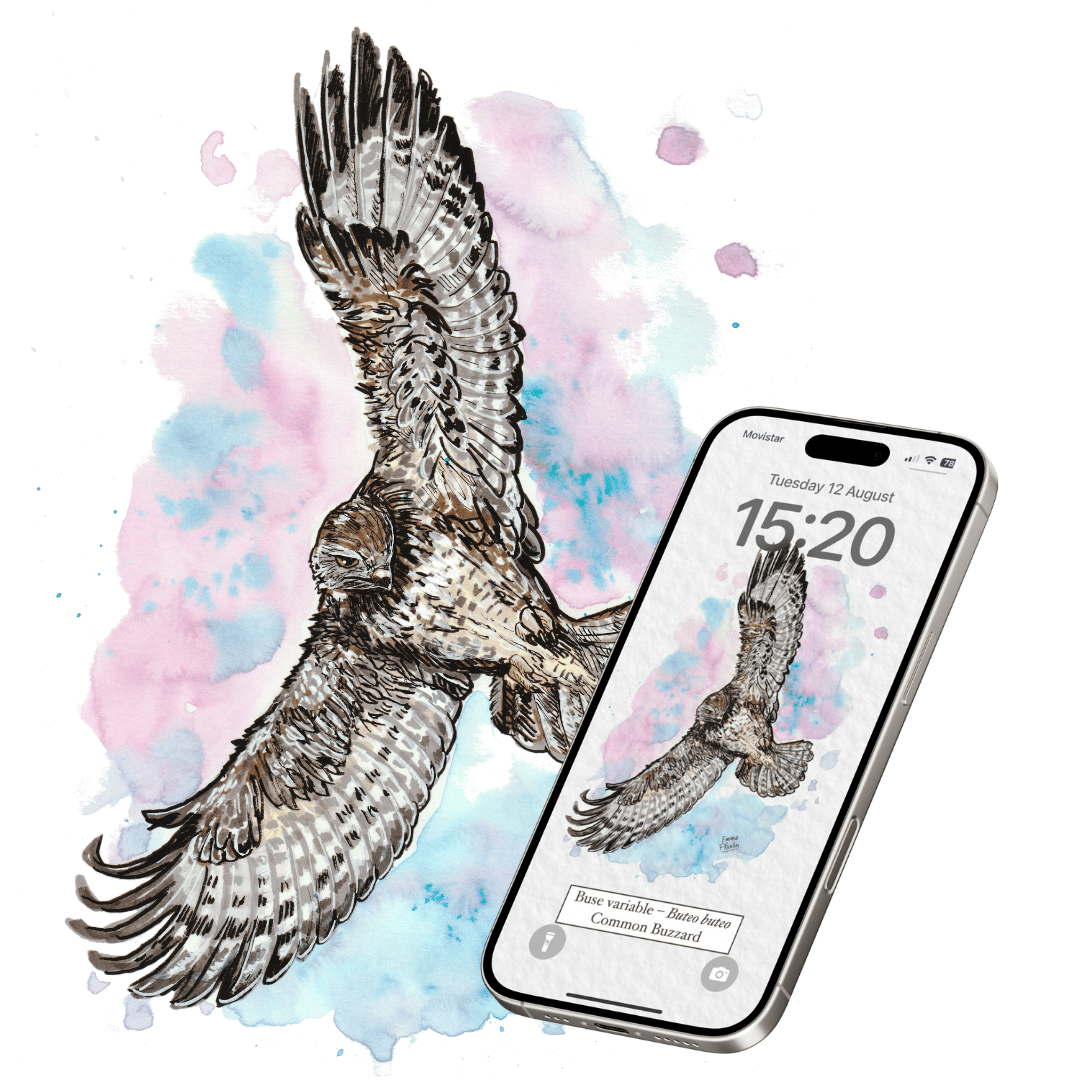
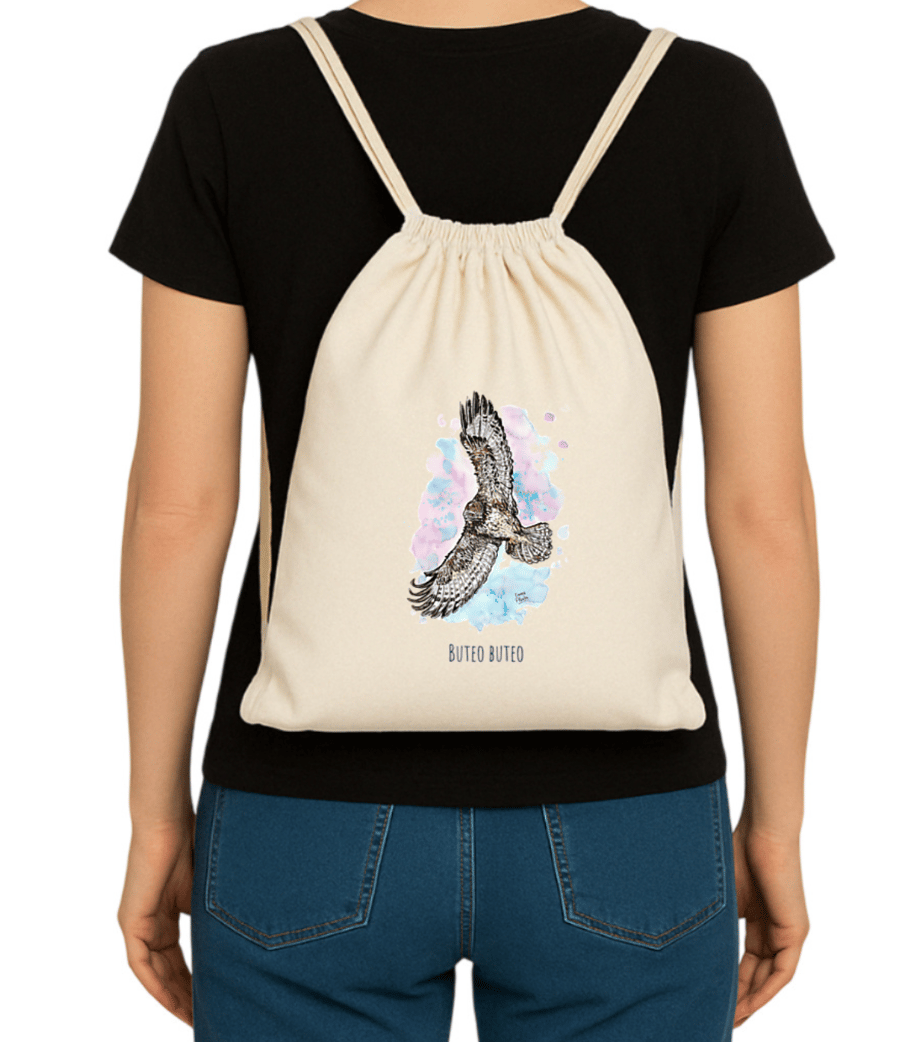
🎁 Support me by visiting the Berthelot Shop or by downloading a mobile wallpaper!
You'll find a gallery of all the birds I've drawn since the start of the project.
👆And/Or 👇
Share your personal link (and earn rewards based on the number of subscribers who sign up!) 🎉