

Hello everyone, how are you doing today?
I got back to Lanzarote last Saturday, and the vibe here is… wild! 💨
The summer wind blows strong, which thankfully keeps the heat from becoming overwhelming.
As mentioned in the last episode, the newsletter will now be coming out twice a month! This way, you’ll have more time to enjoy each bird and I’ll be able to create even better-quality drawings for you.
Today, let me introduce you to a bird that’s everywhere — in North America, it's even considered a pest due to a massive and uncontrolled colonization.
But the European starling is far more than just a common bird: it’s fascinating, intelligent… and it even inspired Mozart!
Let’s dive into its world together!
Wishing you a lovely day ☀️
Emma
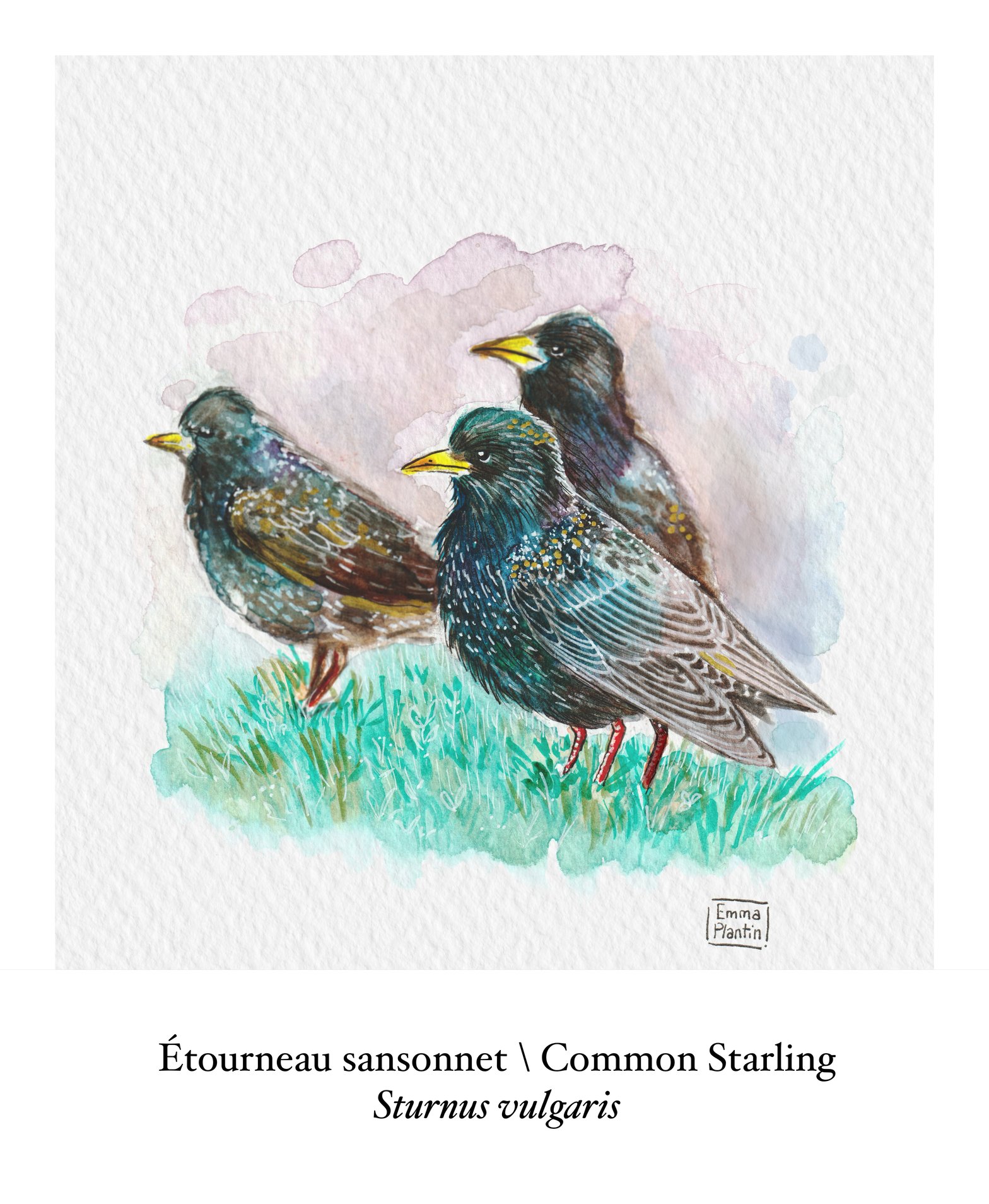
🪶 The European starling — Sturnus vulgaris
🔍 What does it look like?
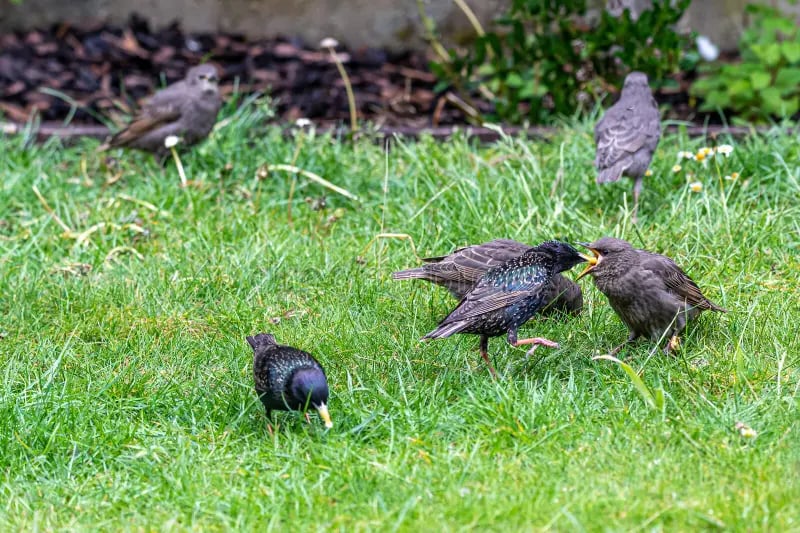
The starling looks a bit like a stocky little blackbird, but sleeker, more jittery… and above all, it sparkles.
Length: around 20 cm (a bit smaller than a blackbird),
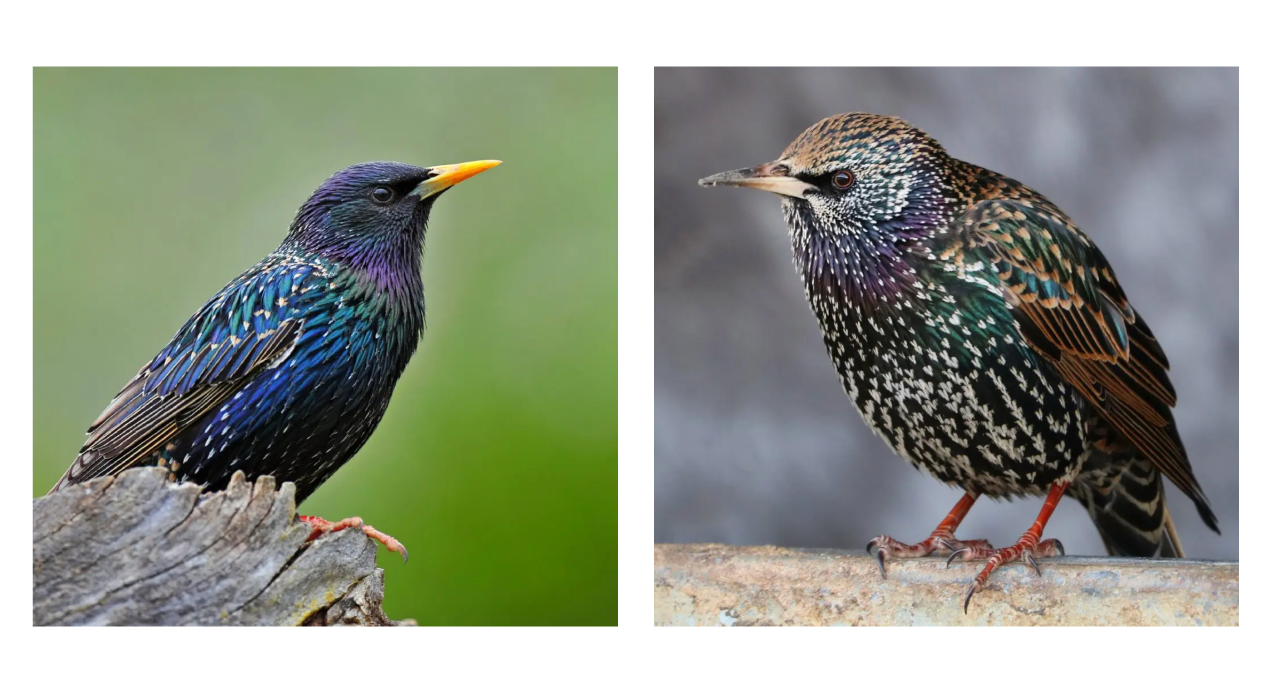
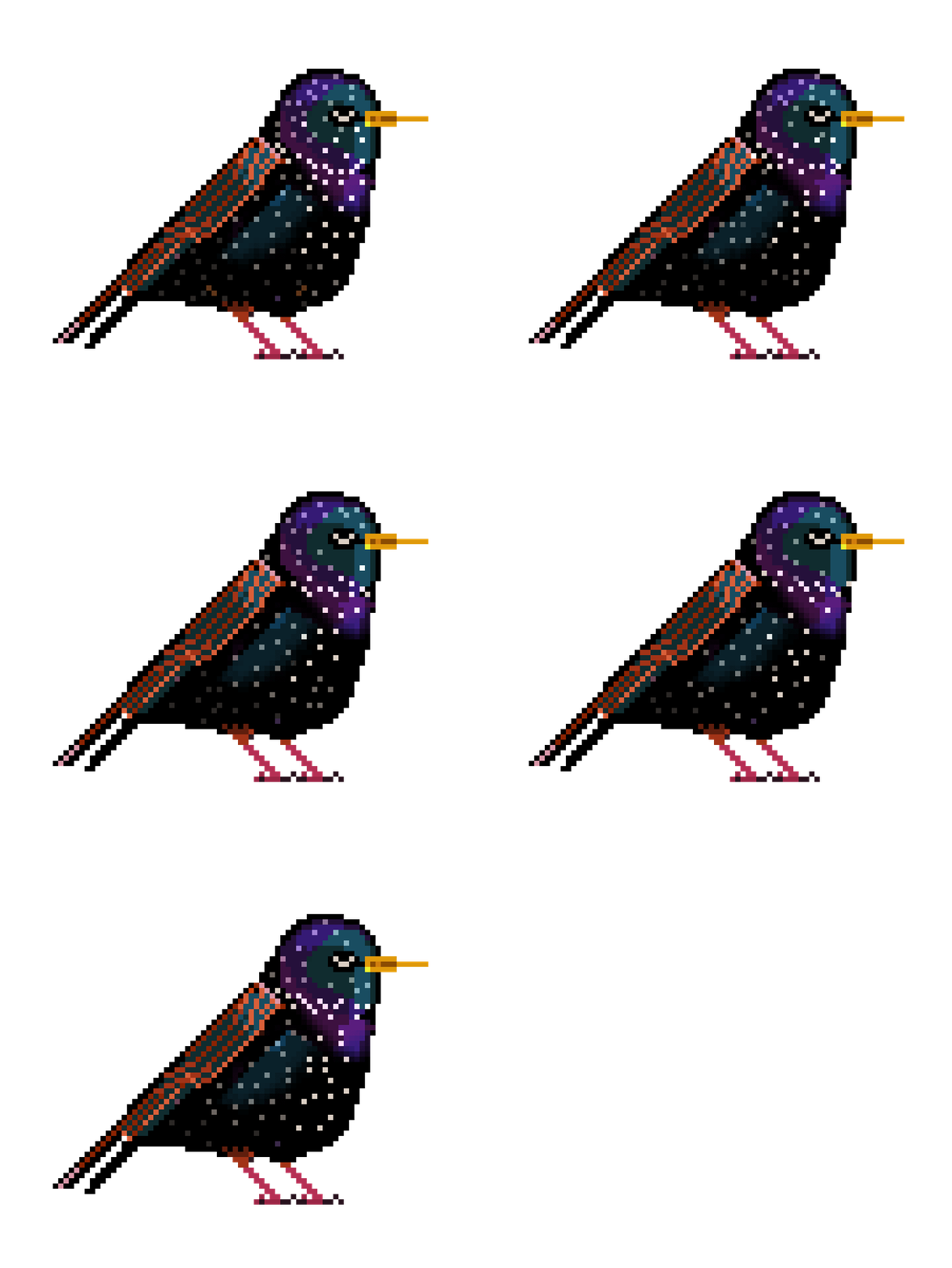
Feathers are black with metallic iridescent sheen (green, violet, or blue depending on the light),
In winter, their plumage is dotted with tiny white spots, giving them a speckled look,
Beak is yellow in summer, dark in winter.
In gardens, it walks with jerky steps, unlike the blackbird, which hops.
(Visual comparison: starling in breeding plumage on the left vs. winter plumage on the right)
🎶 A voice for mimicry
The starling has a rich and varied repertoire of songs and calls — often metallic or harsh. But it’s mostly known as a master sound mimic. It can imitate:
The songs of other birds,
Man-made sounds: alarms, phone ringtones, car horns…
👉 Some starlings have even been heard mimicking human voices or tool noises in urban areas! 🎧 Listen here 👉 Starling imitation (1min)
🔊 Their song is a chaotic mix of whistles, buzzes, clicks, and warbles. At dusk, you can often hear noisy groups gathering to roost for the night. Not always appreciated by neighbors!
🧠 One of the smartest birds in Europe
The starling is highly social and has an excellent memory for visual and sound patterns.
It uses vocal motifs to tell individuals apart. According to studies by the University of Antwerp (Eens, Pinxten & Verheyen), their complex vocal repertoire helps them recognize and remember companions over time.
It is capable of complex social learning (imitating a fellow bird who found food),
Some starlings have even been seen using leaves as tools to hunt insects!
🪺 Starling nesting habits
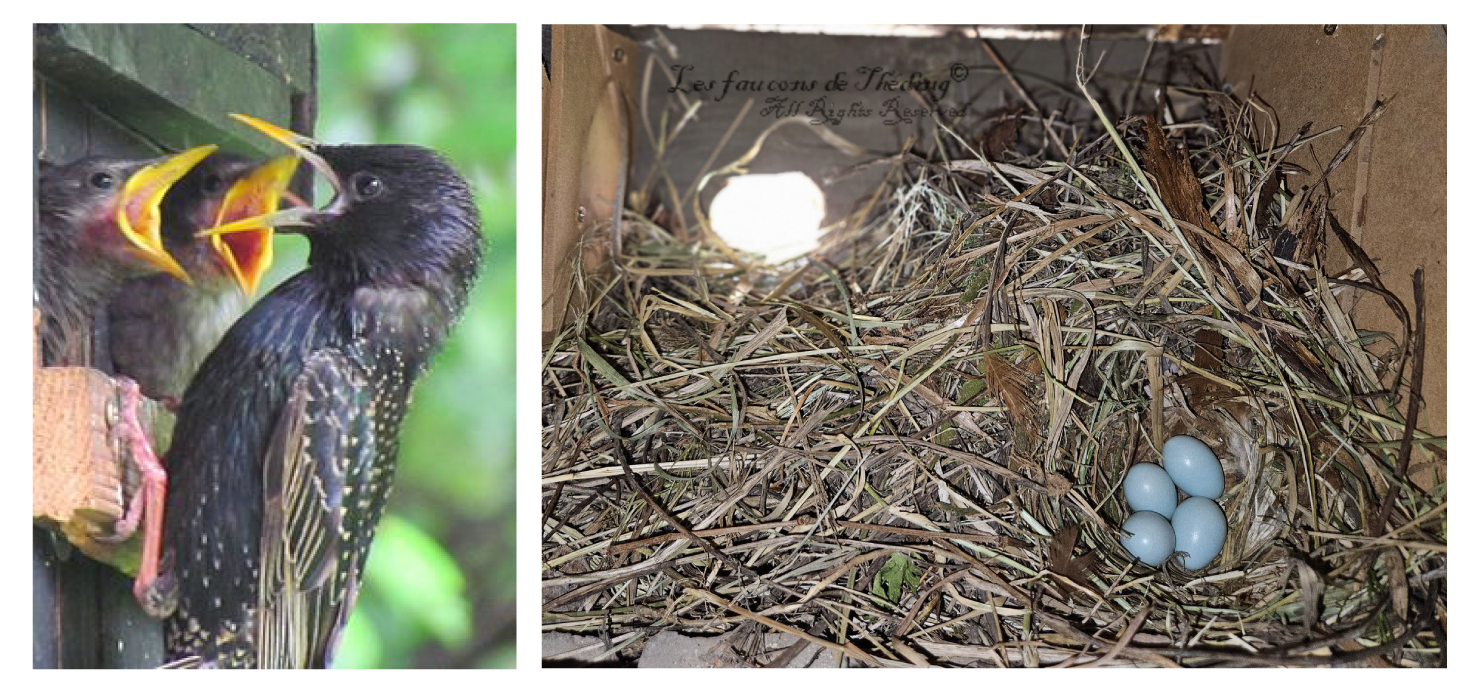
Nest in tree holes or nest boxes,
Can aggressively kick out other birds to steal their nests,
Their nests are often lined with aromatic herbs (like lavender or mint). It may serve as self-medication or as a parasite repellent. This study even suggests the herbs boost parental care!
🐣 The female lays 4 to 6 pale blue eggs, incubated for 10 to 14 days.
🌍 Habitat and behavior
Starlings are omnivorous and extremely adaptable, which explains their success.
You’ll find them:
In towns and cities (lawns, rooftops, power lines…),
In fields, orchards, meadows,
Along coastlines, sometimes in enormous roosts.
🍽️ Diet includes:
Insects, worms, slugs,
Fruits, seeds, berries, bread, food scraps...
In flocks, they can strip a lawn clean in minutes, pecking rapidly through the grass.
🌪️ Murmurations: hypnotic sky ballets
Every evening in autumn or winter, thousands of starlings gather into huge synchronized flocks, known as murmurations.
These wave-like formations serve to:
Confuse predators (hawks, falcons…),
Share information (about roosts or food),
Stay warm during the night.
For more 👉 🎥 Watch this Brut video (2 min) or this one in English (2:30 min)
You can also watch this mesmerizing murmuration forming the shape of a giant bird!
🌍 Status and expansion
🟡 In Europe: abundant, but declining in some intensively farmed areas
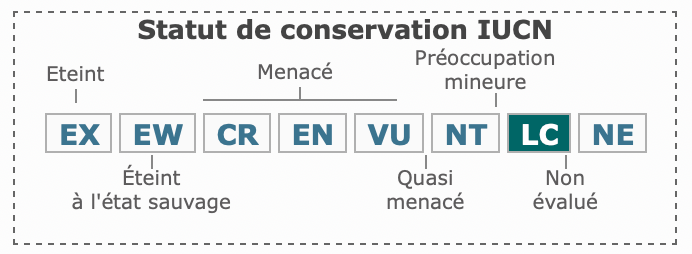
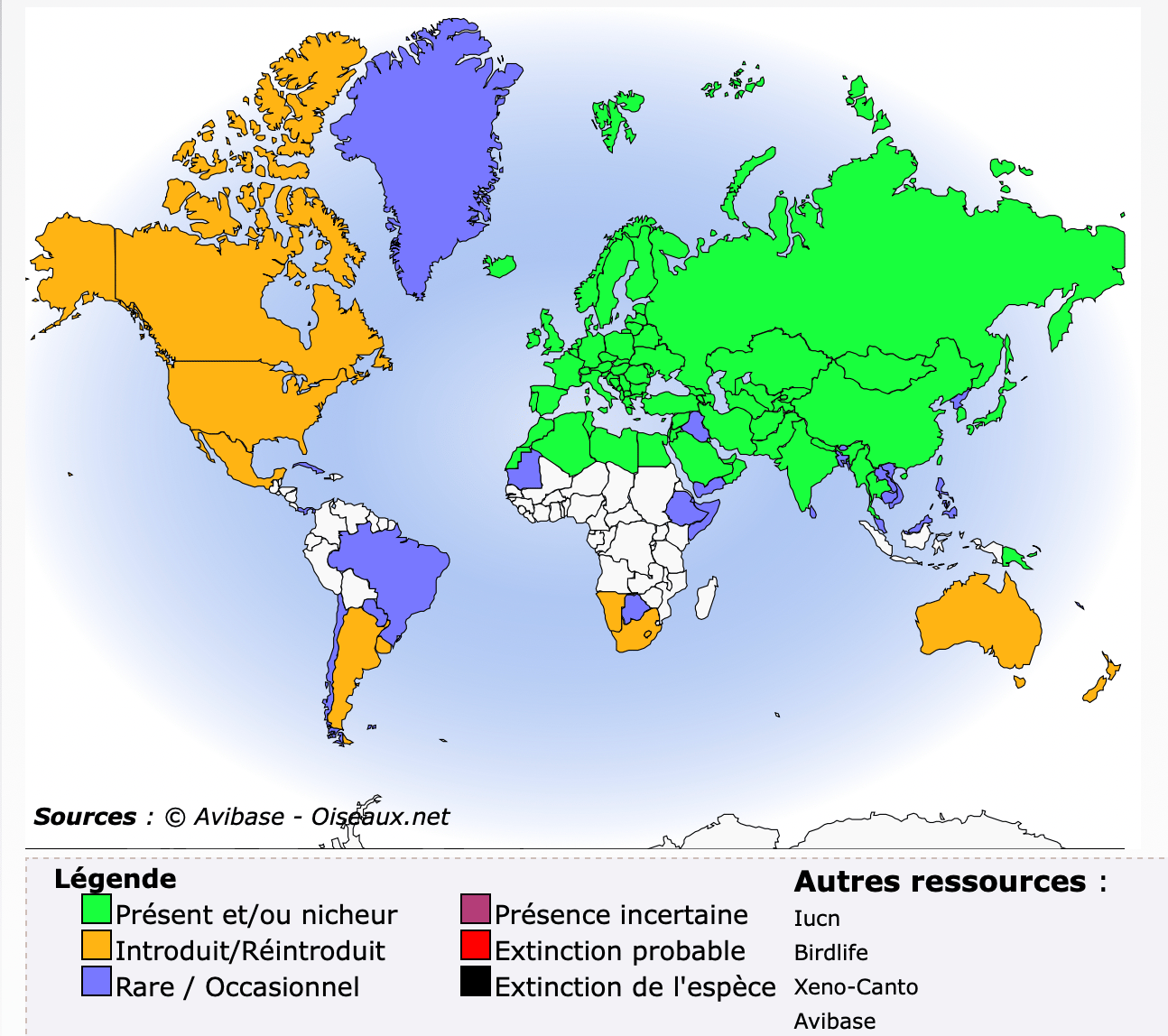
🔴 In North America: an invasive species, introduced in 1890 by a Shakespeare enthusiast who wanted to release every bird mentioned in his works into the New World. (Yes, really.)
Result: 60 starlings released… now over 200 million have spread across the continent. 👉 Considered a pest in the U.S., they compete with native species like bluebirds.
For a fun explanation of the American invasion, check out this video by Beard Guru:
💡 Fun facts
Starlings can lose their social rank if they don’t sing well or fail to mimic others properly!
Scientists have modeled their flocking behavior in 3D: each bird tracks exactly 6 to 7 neighbors at all times — no more, even in massive flocks.
Their aerial waves have inspired choreographers (like Sadeck Waff and his team: winners of France’s Got Talent), generative art, and even synchronized drone flights.
Bonus story: 🎼 Mozart and the musical starling
On May 27, 1784, in Vienna, Mozart bought a little starling.
He soon discovered the bird had an incredible gift: it could mimic music with stunning precision. One day, it replicated almost note-for-note a passage from the Piano Concerto No. 17 in G major — a piece Mozart had just written and hadn’t yet performed publicly.
But the starling didn’t simply copy it. It added a sharp G, a quirky coda… and Mozart was so charmed, he decided to include those changes in the final version of his concerto.
The starling lived with Mozart for three years. When it died, on June 4, 1787, the composer held a full funeral for it — with a procession, eulogy, and even a heartfelt, funny and touching poem of farewell. A beautiful testimony to the bond between genius and bird.
Curious? Read the full story on Wikipedia
I hope you liked this episode !
See you soon for more cool facts about birds 👀

🕊️ I need your help to make Berthelot fly further! 🙏
🎁 Support me by visiting the Berthelot Shop or by downloading a mobile wallpaper!
You'll find a gallery of all the birds I've drawn since the start of the project. Every purchase will be converted into a donation for bird protection associations.
👆And/Or 👇
Share your personal link (and earn rewards based on the number of subscribers who sign up!) 🎉