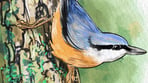
Wednesday, June 11, 2025 – 🕊️ 🎶 The Song Thrush 🎶
Wake up every Wednesday to surprising bird facts, paired with a handmade illustration!


Hello everyone, fellow bird-loving music fans! 🎶
For the past few days, I’ve been training my ears in the Slovenian forests to identify birds… and it’s such a joy.
I’ve been using the Merlin app — a fantastic companion for recognizing bird songs in real time. Here’s a little demo gif: you can see a blackbird, a sparrow, and a Eurasian blackcap all detected at the same time. Magic, right?
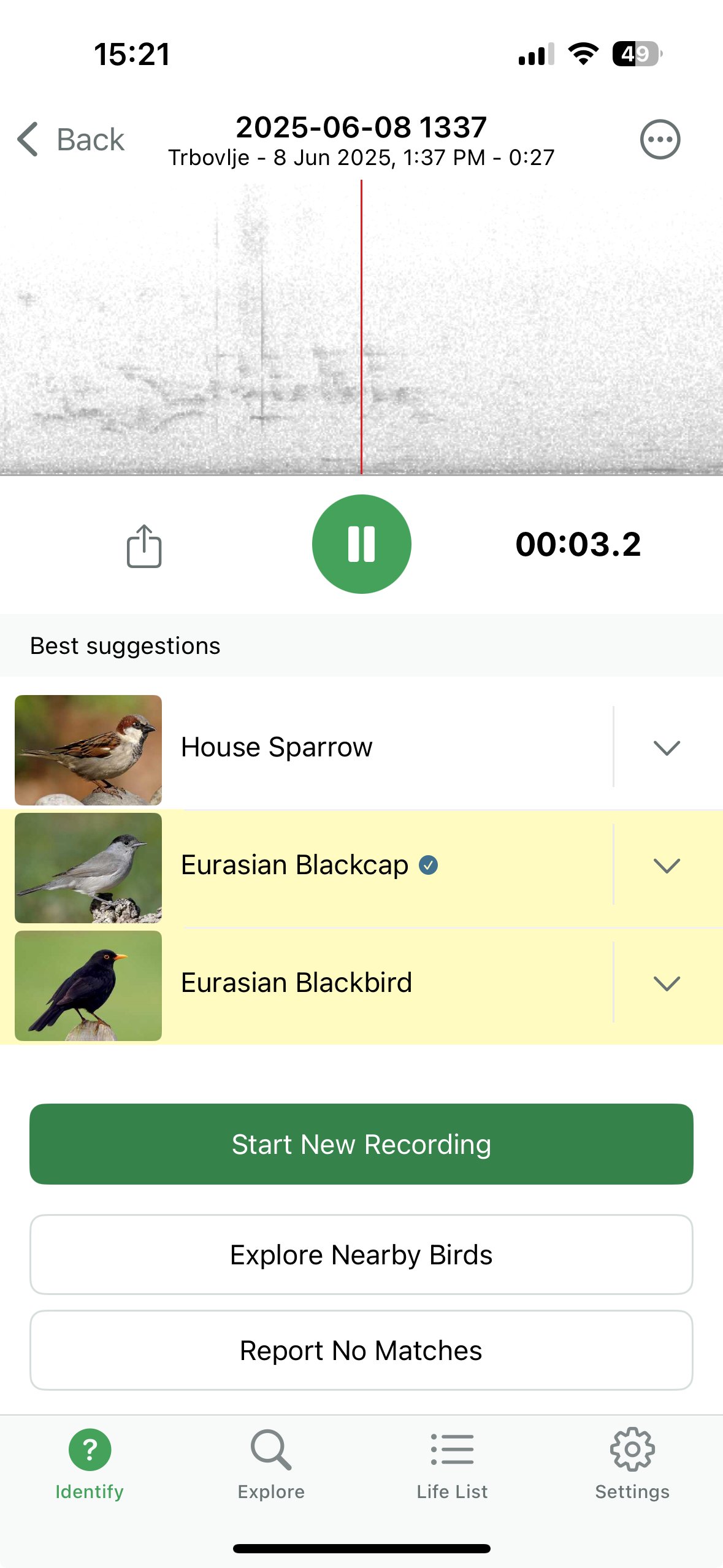
With a bit of practice, some cross-checking on YouTube, and my (still modest 😇) knowledge, I’m starting to confirm my first bird IDs 🎧✨
The other evening, while wandering through my partner’s childhood neighborhood, I was struck by an unusual song: each sequence of 2 to 4 short phrases was completely different from the last — like an improvised solo! I didn’t have my phone, so I asked my partner to record it for me to analyze later…
… and that’s the bird I want to introduce to you today!
So tune your ears, get comfy, and let yourself be carried away: we’re going to talk about a feathered poet, a virtuoso soloist of the undergrowth, a true woodland diva.
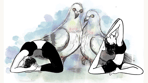
PS: I tried a slightly different illustration style this week… hope this touch of humor brings a smile!
🎶 The Song Thrush – Turdus philomelos 🎶
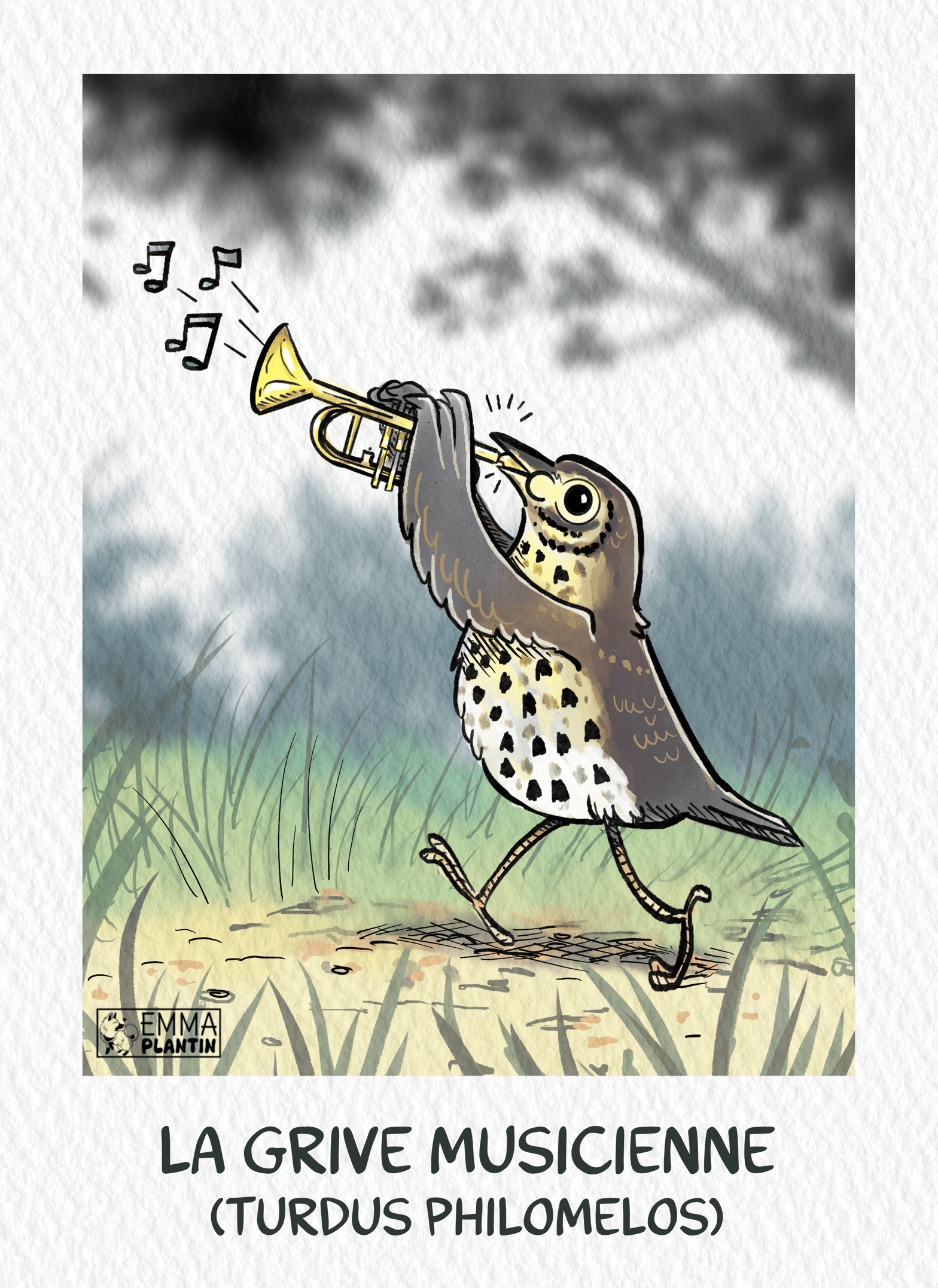
This is one of the most talented birds in the animal kingdom, known for its varied, clear, flute-like song and its habit of repeating musical phrases. Hear it once, and you won’t forget it!
🔍 What does it look like?
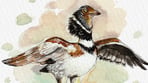
The song thrush is a medium-sized bird (22–23 cm), stockier than a blackbird, with:
A warm brown back and a creamy belly speckled with dark, ink-drop spots;
A gentle, attentive expression — very photogenic when singing!
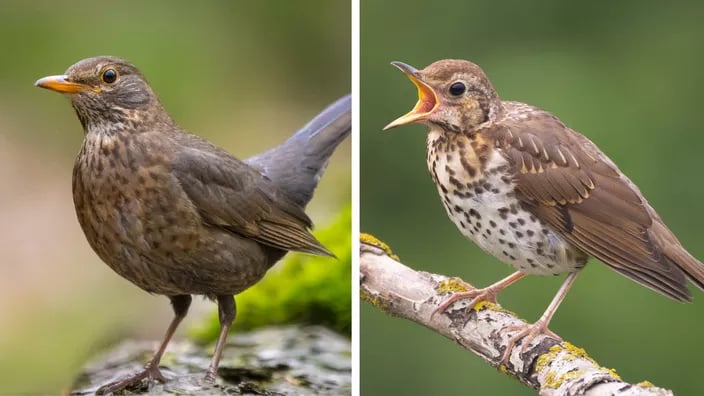
🔍 From a distance, it can be mistaken for a female blackbird, also called a merle hen. It’s a common mix-up, as both species share brown tones and similar shapes. But a few details set them apart:
✅ The song thrush has a distinctly speckled breast, as if sprinkled with little dark petals. These markings are regular and well-defined. The female blackbird, on the other hand, is more uniformly colored, with no speckles on the chest. Its brown is often darker and cooler, and it may look duller at first glance.
👀 The thrush’s eyes appear more “open,” with a pale ring giving it a bright, alert expression.
In flight, the thrush flutters with a more undulating, bouncy pattern, while the blackbird flies in a straighter, faster line.
🎶 A walking jukebox
Its very name gives it away: philomelos in Greek means lover of song. With a name like that, you have to be curious about how it sings!
The song thrush is known for repeating short musical phrases 2 to 4 times, mixing in a huge variety of fluting notes, whistles, clicks, and trills.
It can learn and remember dozens of different motifs!
Listen to this immersive recording to hear its signature tune 👉 Song Thrush singing 🎶
💡 Did you know?
It can sing up to 100 different patterns and invent new ones every season (source: RSPB & BirdLife). Ornithologists often compare its singing style to a forest DJ or slam poet — mixing, looping, improvising!
🎵 Some thrushes have even been heard mimicking car alarms and even other birds (source: British Trust for Ornithology).
🎥 Here’s a great (English) video by Lucy Lapwing to master its call! (5 min)
🏞️ Habitat and behavior
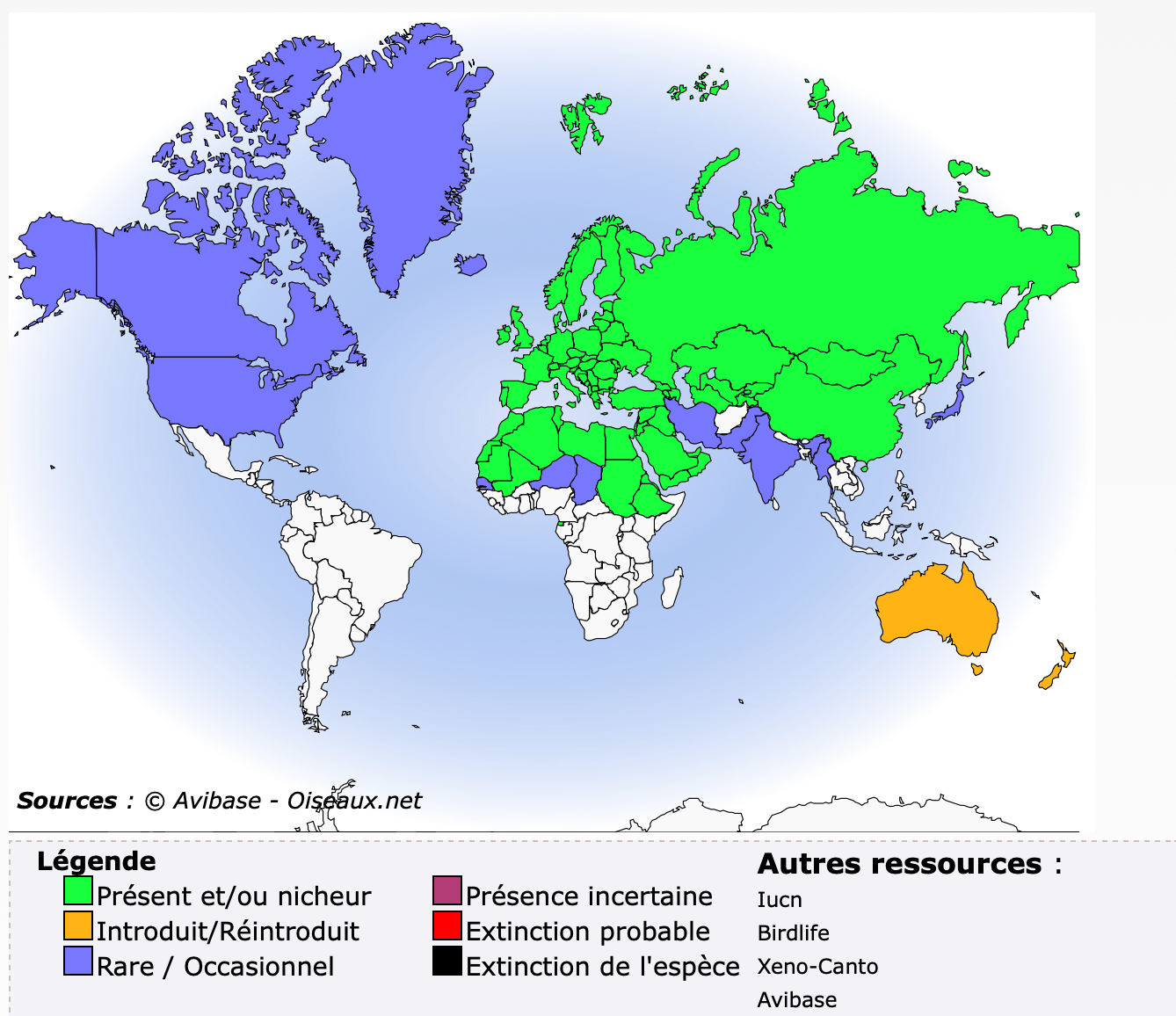
Widespread across Europe, the song thrush prefers:
Deciduous forests and wooded gardens,
Hedgerows and urban parks,
Even quiet cemeteries, where its song echoes beautifully.
It can be sedentary or migratory depending on the region:
→ In France, many stay year-round in the West and South; northern populations migrate to the Mediterranean in winter.
🍽️ What’s on the menu?
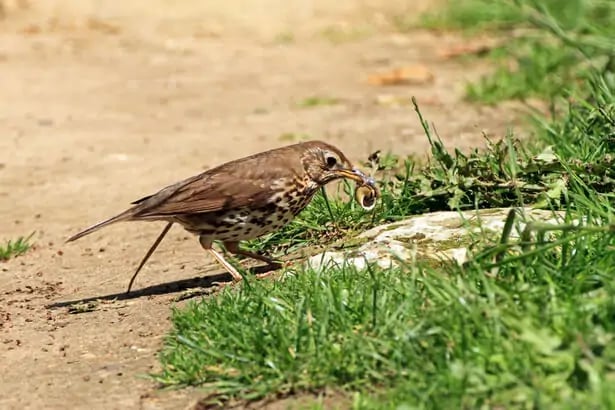
Omnivorous, it enjoys:
Earthworms (which it expertly pulls from the ground),
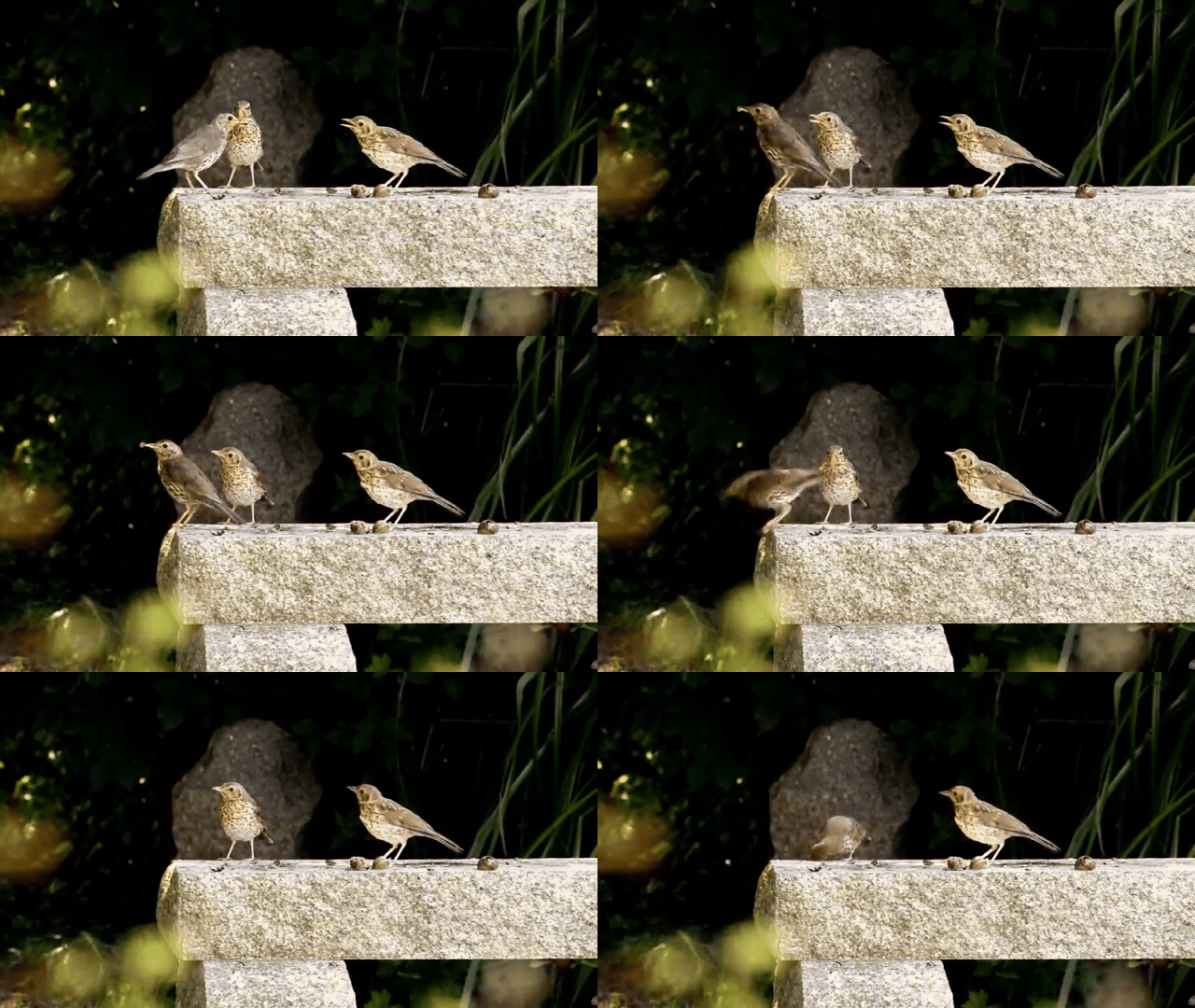
Snails, which it smashes on so-called “anvil stones” 🐌 🎥 (0.22 min),
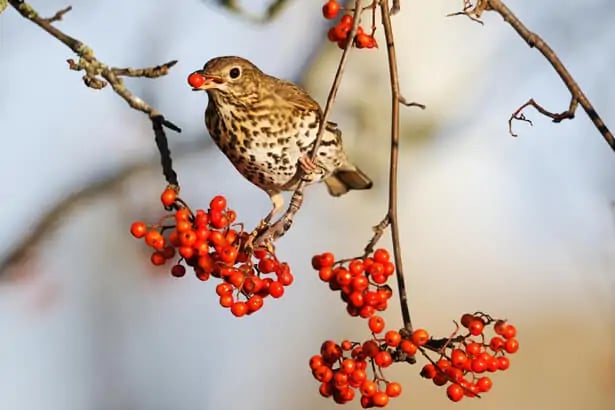
Autumn fruits like berries, apples, and cherries.
🐣 Family life
The nest is a well-hidden cup, lined with mud for stability;
It lays 4 to 5 bluish eggs, incubated by the female alone;
Two or even three broods per year are common if weather allows!
🌍 Conservation status?
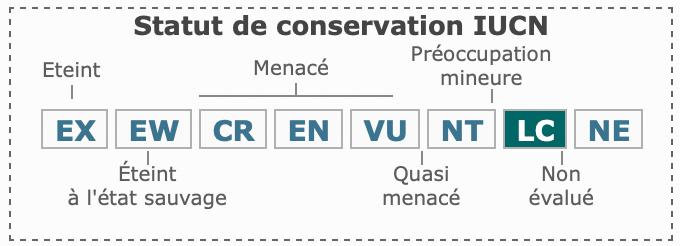
🟢 Good news: listed as "Least Concern" by the IUCN (source).
However, it does face local threats from habitat loss, pesticide use, and urban sprawl.
🐌 In some parts of Europe, a decline in snail populations directly impacts thrush numbers.
💡 Bonus trivia
A classical music muse
✅ Composer Olivier Messiaen featured the song thrush in his 1985 piano work Petites esquisses d’oiseaux, with a piece titled La Grive musicienne (Turdus philomelos)
(honestly, I’m not a huge fan of this track 😅 — let me know what you think!)
Human-like harmonies
Scientists studied 71 thrush songs and found that 57 followed harmonic series similar to human music — with no anatomical reason for this pattern! (Source: Science et Vie, 2015.01.24)
🌅 A little mission for your ears
At dawn or dusk, open a window or walk near a wooded area. If you hear a melodic phrase repeated 2–3 times before switching to something else…
🥁 It’s probably a song thrush singing you hello!
👉 Watch this mama thrush teaching her chicks how to crack snails 🐌🥹
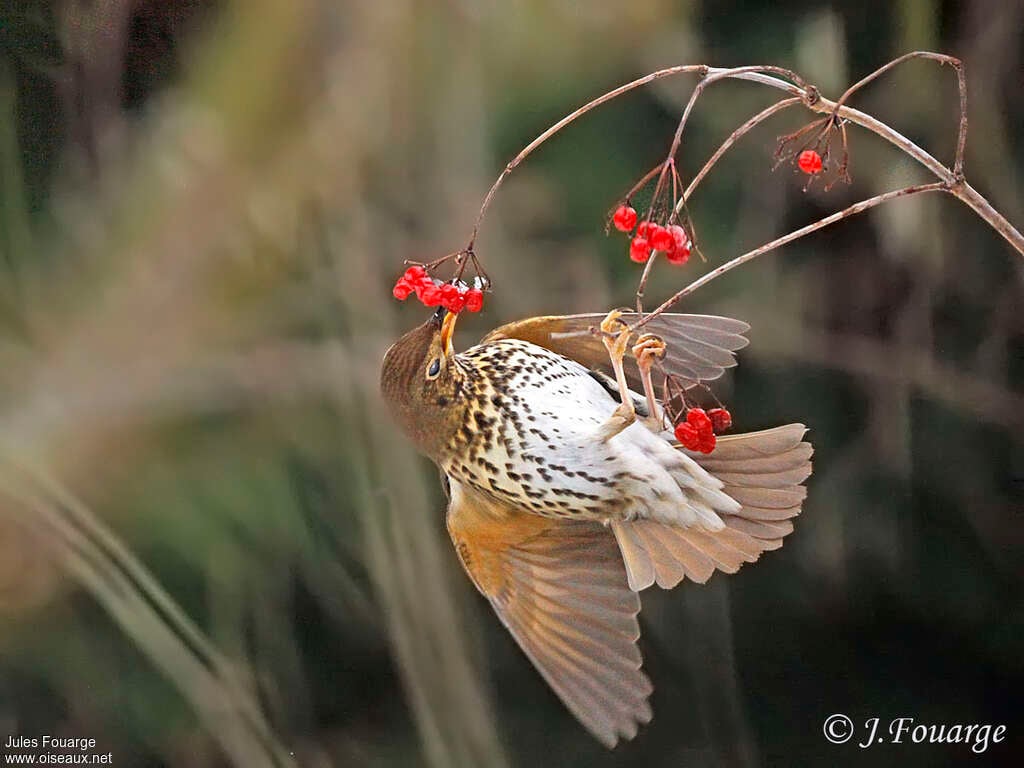
See you soon for more feathery tales 🪶
And until then, keep your eyes open… and above all, your ears! 👂
I hope you like these anecdotes !
See you soon for more cool facts about birds 👀
🕊️ I need your help to make Berthelot fly further! 🙏
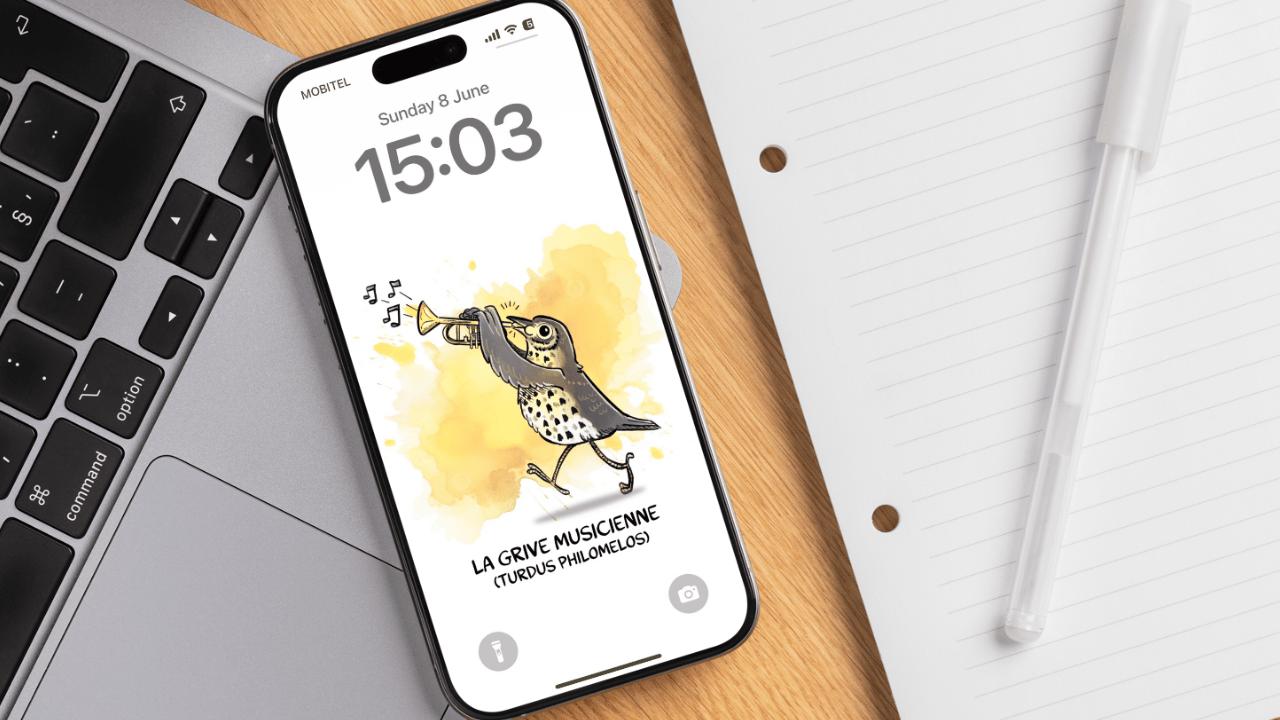
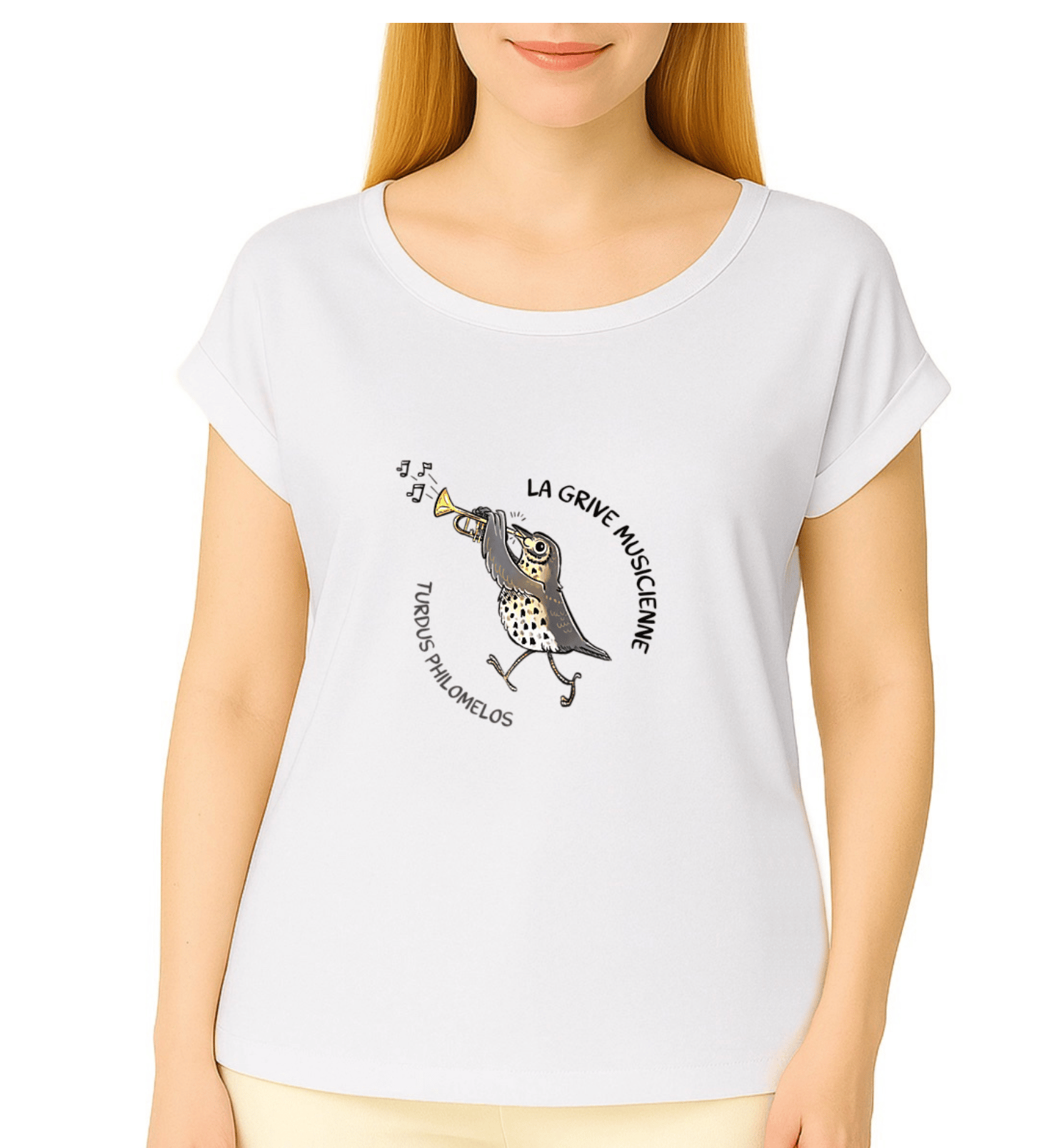
🎁 Support me by visiting the Berthelot Shop or by downloading a mobile wallpaper!
You'll find a gallery of all the birds I've drawn since the start of the project. Every purchase will be converted into a donation for bird protection associations.
👆Et/Ou 👇
Share your personal link (and earn rewards based on the number of subscribers who sign up!) 🎉
Link to be found at the bottom of the newsletter 😇
A newsletter written by :

🕊️ Berthelot (English 🇬🇧)
🕊️ Berthelot (English 🇬🇧)