Wednesday, June 4, 2025 – 🕊️ 🎶 Chiff Chaff - Chiff Chaff ! 🎶
Wake up every Wednesday to surprising bird facts, paired with a handmade illustration!


Hello bird-loving friends 😍! Hope you're doing well!
I've just started reading Ornithérapie, and I'm already hooked! The book focuses on the well-being benefits of birdwatching, a practice open to everyone that simply involves observing birds.
One quote from the book really stood out to me:
"Entering the world of birds requires shifting from simply ‘seeing and hearing’ to ‘observing and listening’."
What's the difference, you ask? The first is a passive stance: our senses perceive without real engagement. The second invites active attention, a true presence in the moment. A beautiful way to practice mindfulness, without even trying!
So, how about we put that into practice?
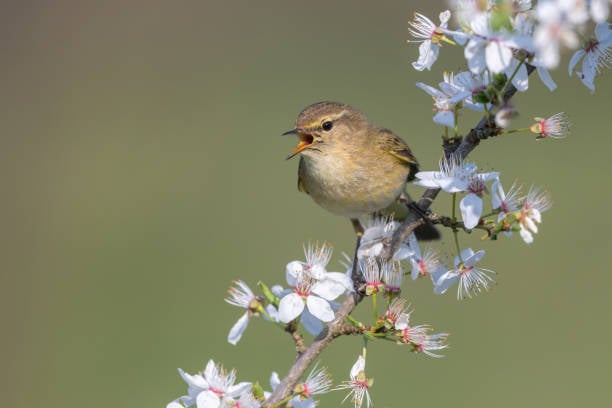
Today, I’d love to introduce you to a tiny bird we often hear but rarely see: the Common Chiffchaff (Phylloscopus collybita).
Small but full of surprises, this woodland and hedgerow dweller is the perfect starting point for anyone wanting to learn birdsong ID by ear. Its simple, rhythmic call is a great one to begin with!
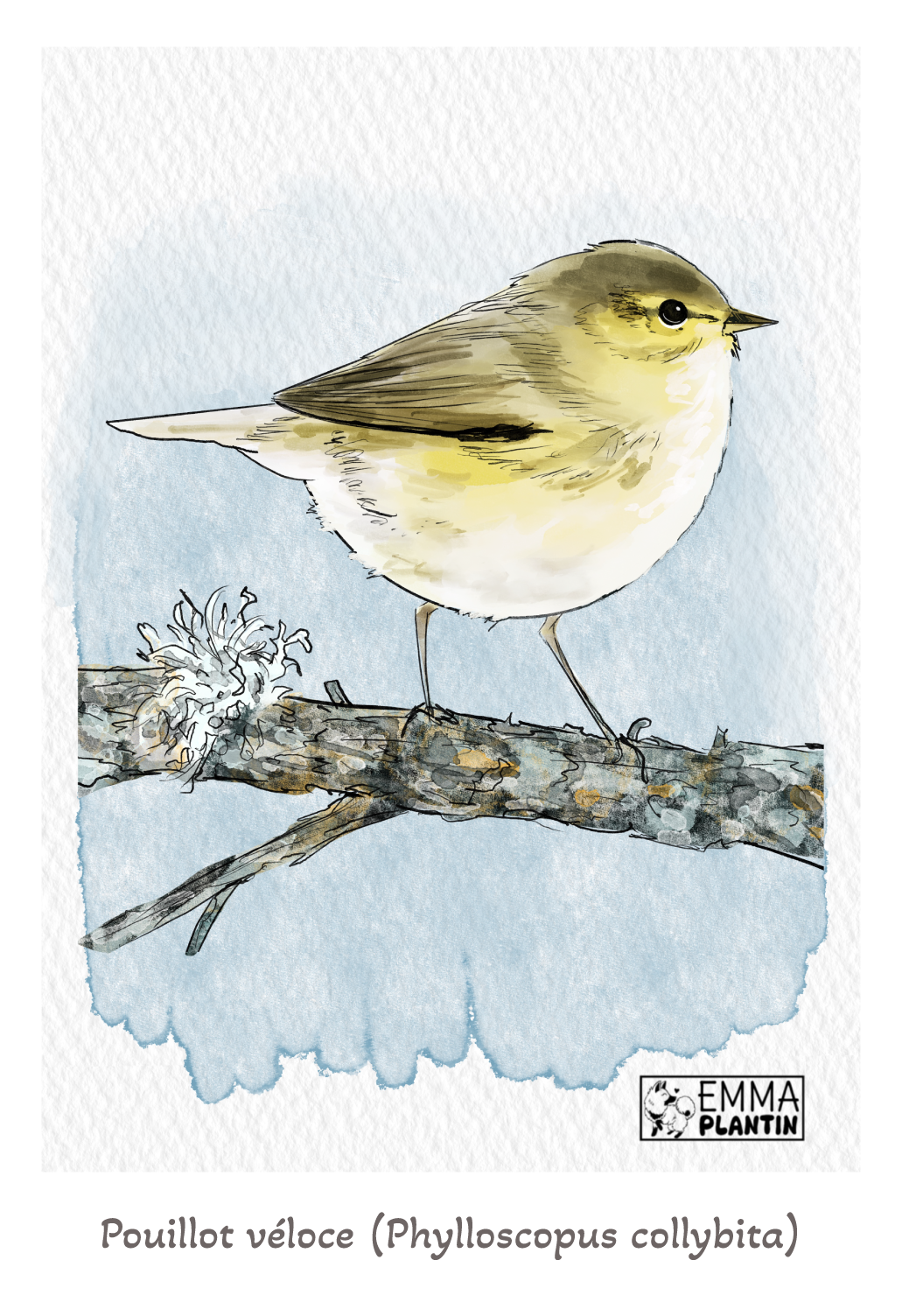
The tireless Common Chiffchaff (Phylloscopus collybita)
🔍 What does it look like?
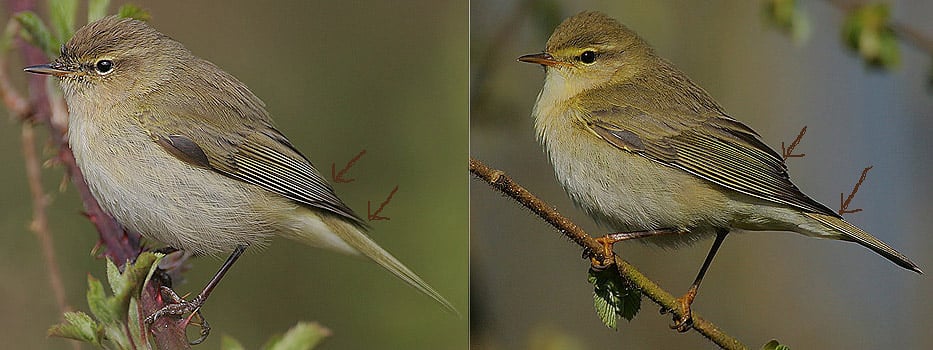
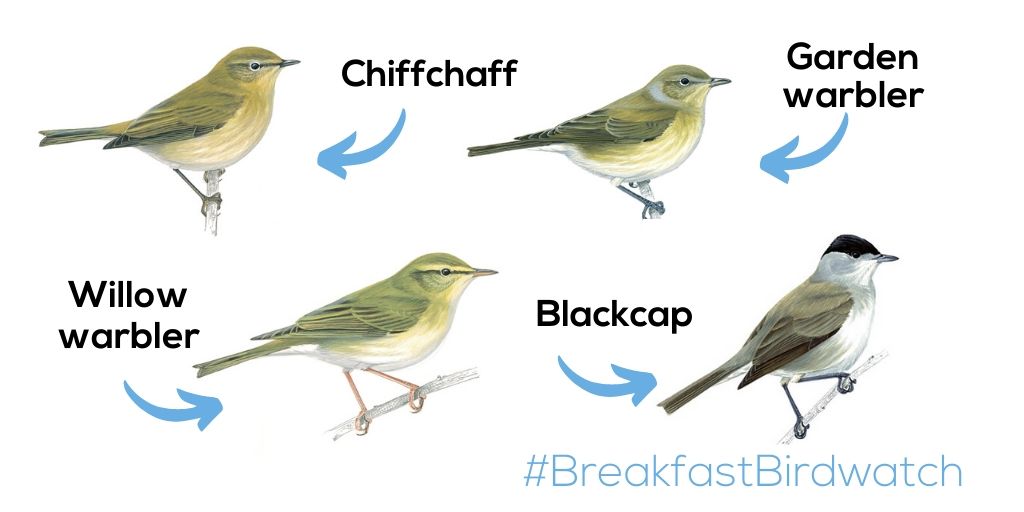
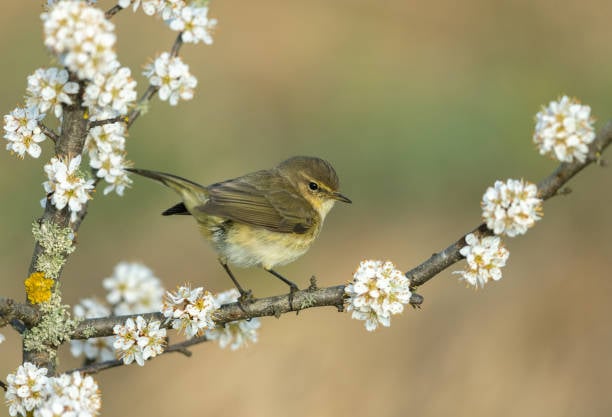
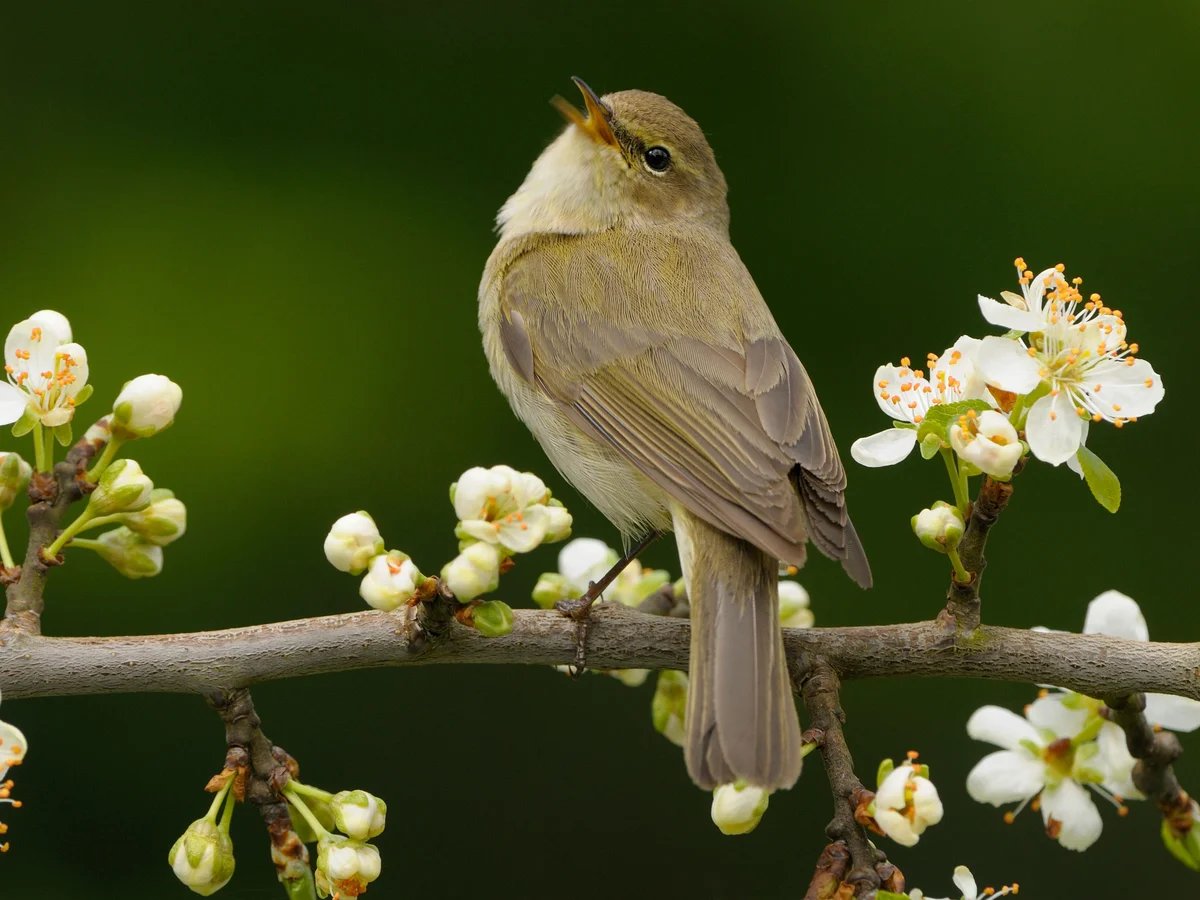
Tiny (10–12 cm), rounded, olive-brown above and pale underneath, with a faint pale line above the eye, the Chiffchaff is often confused with… the Willow Warbler. Good luck telling them apart by sight! 😅 Thankfully, its very distinctive call is a dead giveaway.
The chiffchaff molts twice a year: after breeding, its plumage refreshes to a brighter olive-green, and before spring migration, a partial molt slightly brightens its colors. Juveniles have duller feathers that are replaced by brighter adult plumage during their first full molt.
🎶 A song anyone can recognize
🎶Chiff-Chaff… Chiff-Chaff…🎶 ➝ listen here! (30s)
The metallic, repetitive rhythm sounds like coins clinking together—hence its old nickname, the “coin counter.” That’s also where its English name “Chiffchaff” comes from, mimicking its song.
Listen to the Willow Warbler's song by comparison 👉 it's completely different — no way to confuse the two!
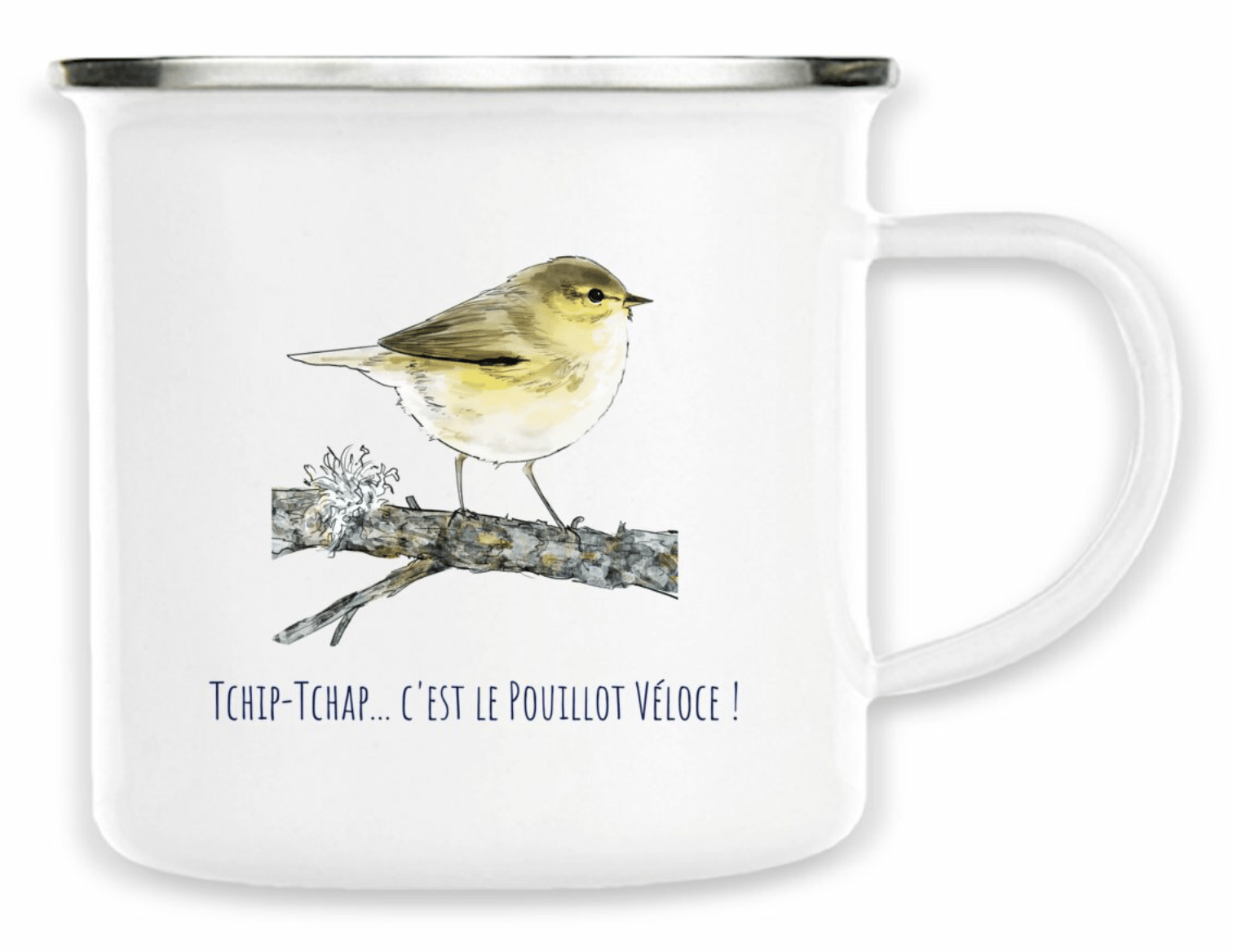
For French speakers, here's a goofy but memorable trick (thanks to a passionate teacher on a conservation project): picture a scruffy guy pedaling a bike... tchip, tchap, tchip, tchap... ➝ Pouillot véloce (‘‘scruffy guy pedaling a bike’’ = “pouilleux sur un vélo”)! It’s silly—but once it's in your head, you won’t forget it.
🧠 Its simple song actually hides subtle complexity: the number of notes varies, and males may add modulations during mating season (BirdWords).
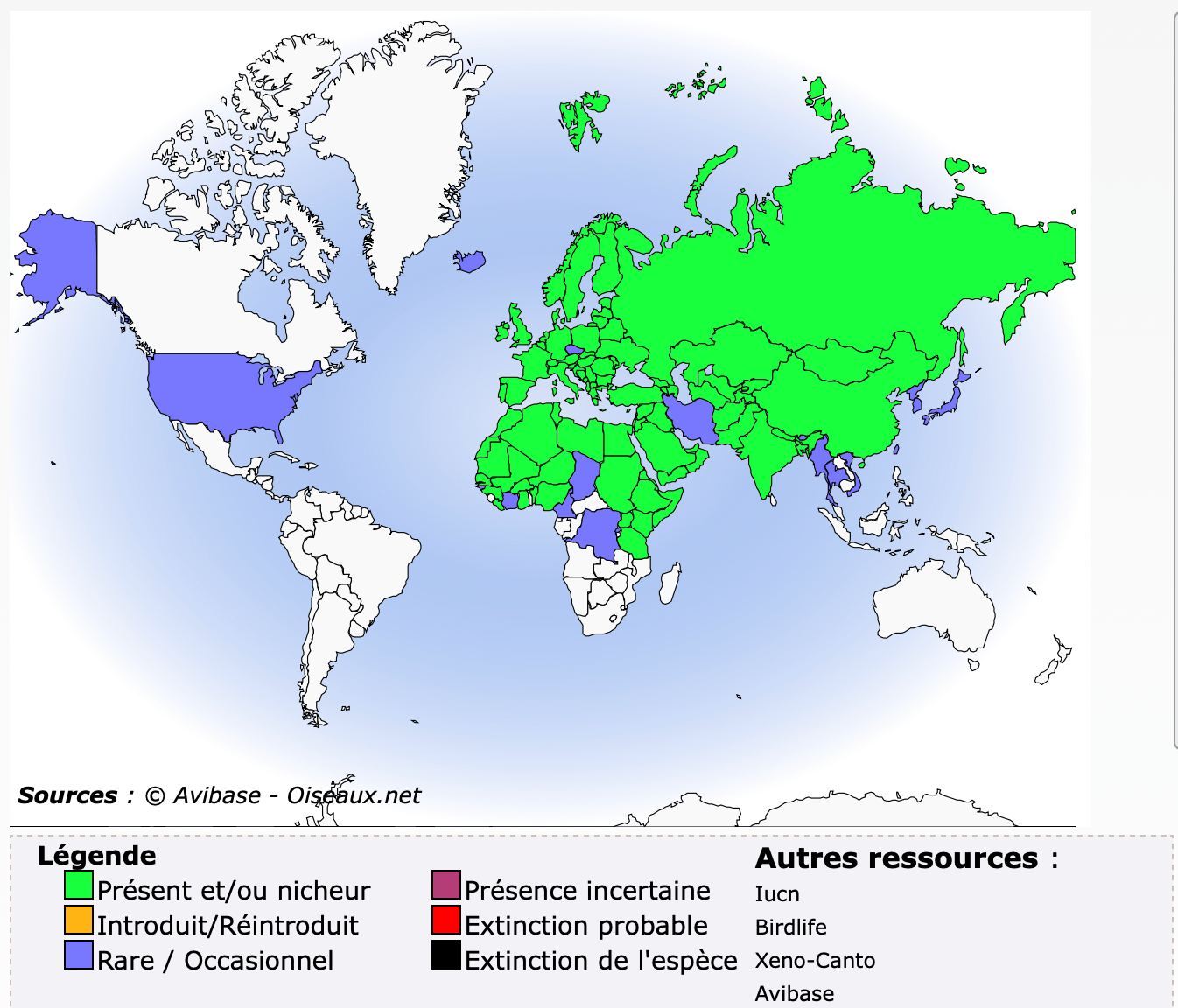
🏞️ Where does it live and how does it behave?
The Chiffchaff is found across Europe, in gardens, forests, hedgerows, and even… sewage treatment plants! Yes, they're warm and full of insects. 😄
🧭 It navigates using the Earth's magnetic field—an incredible feat for such a tiny bird (Songbird Survival)!
🛡️ During breeding season, the male becomes very territorial, even confronting predators like weasels or jays (Bilderreich).
🍽️ What does it eat?
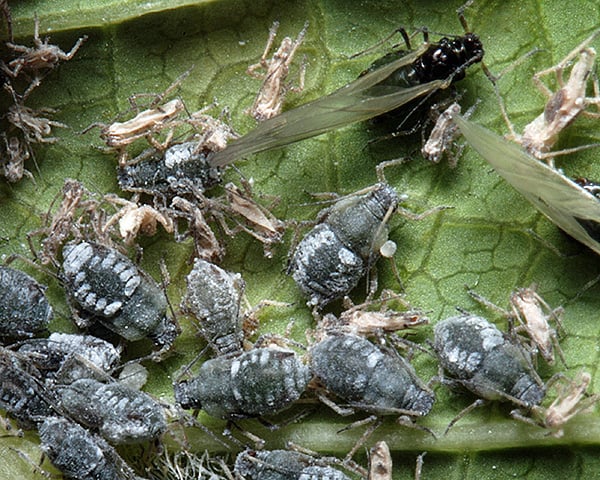
The Chiffchaff is insectivorous, and it loves flies, caterpillars, beetles, and especially aphids—making it a gardener’s best friend!
🌿 It helps control black cherry aphids, which are cereal crop pests (Influential Points).
🐣 Family life
The female builds a hidden, ball-shaped nest on or near the ground, lays 4–6 eggs, and incubates them alone. The male? He sticks to singing and guarding the territory. Chiffchaffs aren’t known to stay paired from year to year.
🧠 Some pairs have been seen recognizing cuckoo eggs, helping them avoid parasitism (Wikipedia)!
🌍 What’s its conservation status?
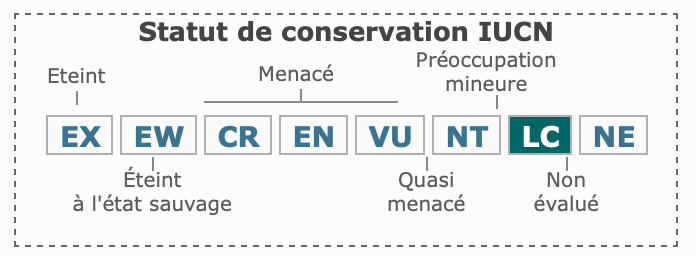
🟢 Good news: the Chiffchaff is listed as Least Concern by the IUCN. Its adaptability to various habitats and generalist diet make it fairly resilient. That said, like all insectivores, it’s vulnerable to pesticides and habitat loss.
💡 Bonus facts
🎤 Some males sing up to 15,000 times a day during breeding season. Talk about a solo concert!
🏠 Males and females divide their space: the male sings from the canopy, while the female nests in the undergrowth. Smart and stealthy.
❄️ More Chiffchaffs are spending winters in Western Europe, including France and England, showing their impressive adaptability to climate change.
Want to hear one in real life? Head into the woods this spring, listen closely, and… tchip-tchap, tchip-tchap—there it is!
I hope you like these anecdotes !
See you soon for more cool facts about birds 👀

🕊️ I need your help to make Berthelot fly further! 🙏
🎁 Support me by visiting the Berthelot Shop or by downloading a mobile wallpaper!
You'll find a gallery of all the birds I've drawn since the start of the project. Every purchase will be converted into a donation for bird protection associations.
👆Et/Ou 👇
Share your personal link (and earn rewards based on the number of subscribers who sign up!) 🎉
Link to be found at the bottom of the newsletter 😇
A newsletter written by :

🕊️ Berthelot (English 🇬🇧)
🕊️ Berthelot (English 🇬🇧)