Wednesday, May 21, 2025 – 🕊️ Identifying birds, Part 2/2
Wake up every Wednesday to surprising bird facts, paired with a handmade illustration!


Hello everyone, I hope you're doing well!
First of all, I want to thank you for all the wonderful feedback on my previous article. Your messages truly touched me and motivated me to continue this series. Thank you so much ❤️
Today, after discussing why identify birds, I want to focus on the how. Just like the last article, I had the chance to collaborate with some talented artists to illustrate this one. You'll find their credits and Instagram links under each illustration – make sure to check out their work! 🙏
As a fun fact to kick things off, did you know that birdwatching is the third most popular outdoor activity in the United States? It attracts nearly 96 million people, showing just how universal and accessible this hobby is.
I hope this article will inspire you to keep your eyes (and ears) open to the fascinating world of birds! 😊
Getting Started...
Getting into bird identification can seem a bit daunting at first, but you don't need to be an expert to appreciate and recognize the major bird families. You can start by distinguishing the main groups: passerines (like chickadees or robins), raptors (hawks, falcons), or even waterfowl (ducks, herons). Understanding these broad families can make your first steps in birdwatching much easier.
But most importantly, don't put too much pressure on yourself! The goal is to enjoy being in nature, listening, and observing without the need to identify every single bird. Simply taking in the sights and sounds of the natural world, as mentioned in the previous article, is a beautiful way to connect with nature. And if it ever feels too technical or overwhelming, remember to take a break. The most important thing is to feel good.
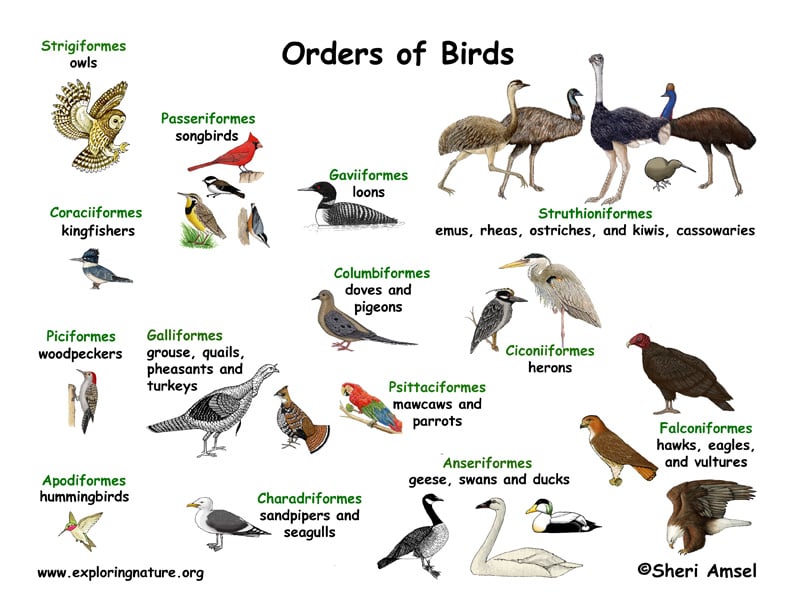
🔍 Observation!
The first step in identifying birds is learning to truly observe them. It might seem obvious, but knowing where to focus your attention makes all the difference. Start by familiarizing yourself with the most common species in your area. Depending on where you live, you might encounter robins, chickadees, or sparrows. At first, their differences may seem subtle, but they quickly become familiar. To make things easier, you can set up a bird feeder in your garden or on your balcony to attract feathered visitors, take a walk in a bird-friendly spot like a forest or wetland, or even take it a step further and blend into the background to observe them up close!
Pay attention to their silhouette, the way they move, the shape of their beak, and the color of their plumage. Celebrate each time you recognize a familiar bird, can name it, or even just describe it well enough to find a match on Google. It’s a genuinely satisfying feeling! 😉
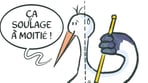
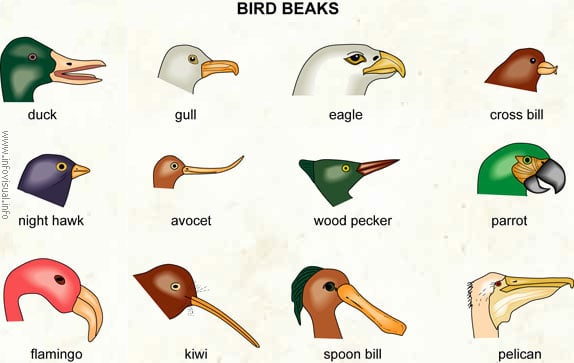
Just by looking at the shape of the beak, you can often tell which Order or even Family a bird belongs to. Check out this image:
Even the way a bird flies or walks can be a distinguishing feature. For instance, when we were in Fontaine-de-Vaucluse, I noticed small passerines flying over the river. They had long tails and bright yellow bellies. Based on a quick search, I guessed they were grey wagtails. Later, I learned that their most distinctive trait is a peculiar tail-bobbing motion when they are standing still. When I finally saw this behavior in person, I could confidently confirm the species! 😊
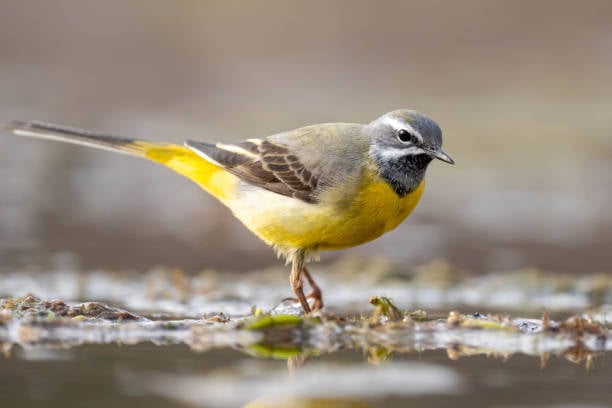
Don't forget to note the location of your observation – it makes identification much easier later on.
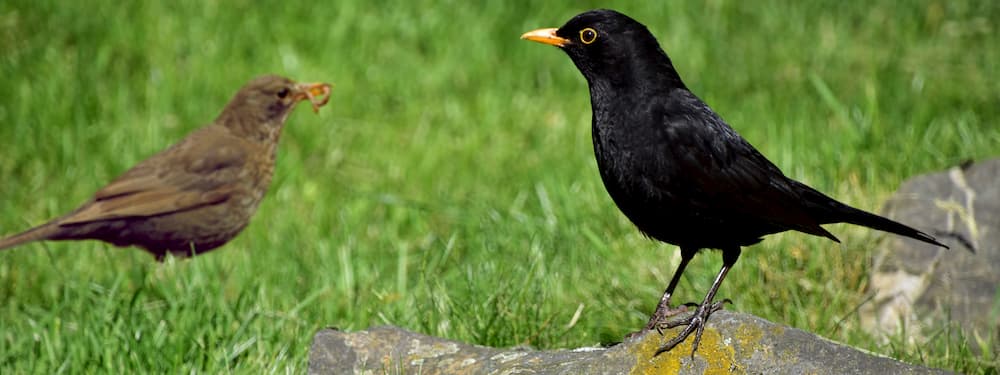
Some species, like house sparrows or blackbirds, exhibit sexual dimorphism. This means that males and females have distinct physical appearances. Sometimes this difference is quite pronounced, even in common species. For example, in blackbirds, the male sports deep black plumage and a bright yellow beak, while the female has more modest brown feathers.
If you want to fully disconnect during your observation, consider bringing a small notebook to jot down your findings or, if you like drawing, even make a little sketch.
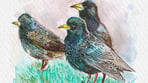
Here is a male house sparrow (Passer domesticus) drawn by the talented Laura 😇. To see a pair and spot their morphological differences, click here.
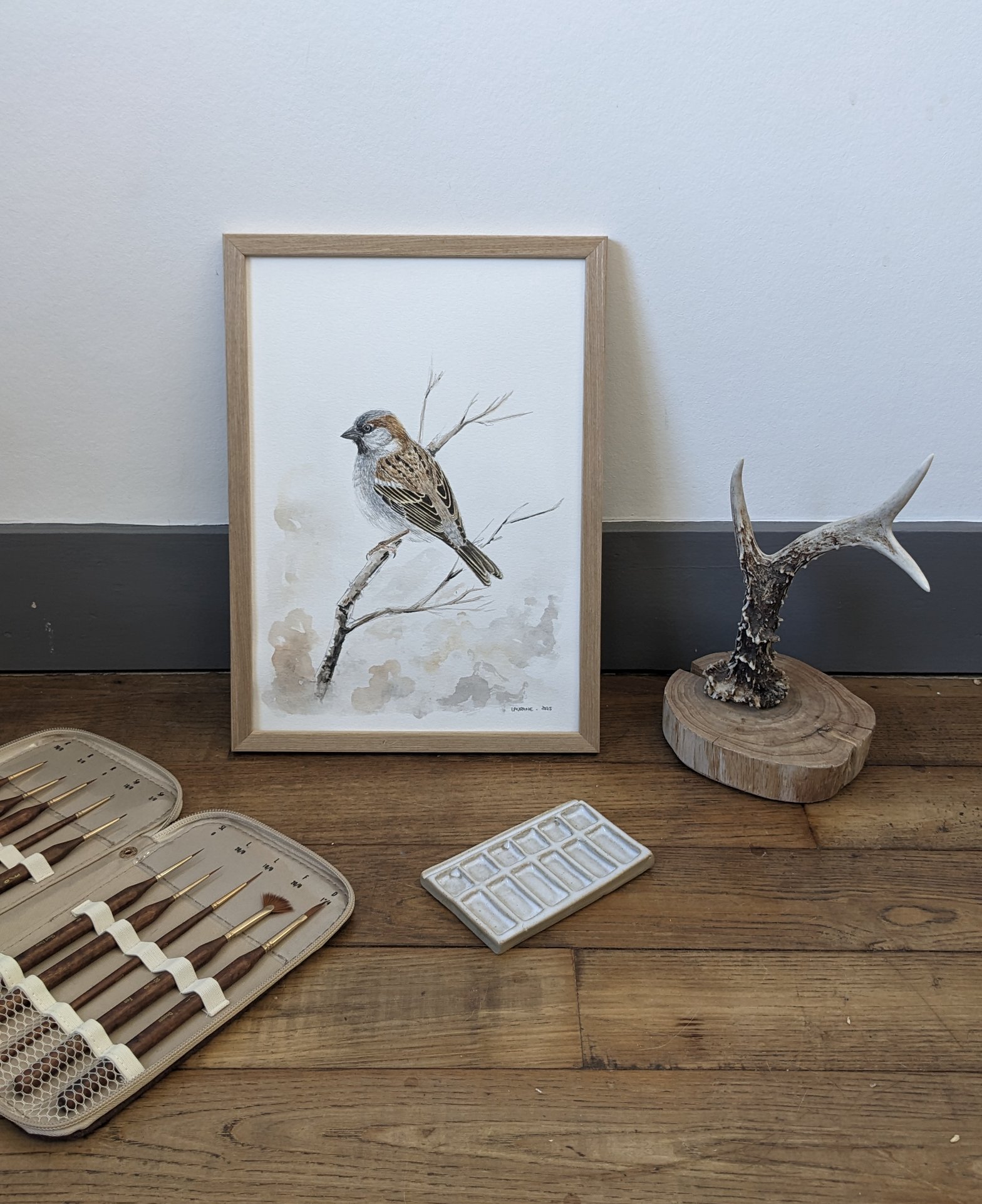
Laurane began her journey as a bird illustrator six months ago. Her goal is to raise awareness about birds and help people reconnect with nature and their memories through soft, detailed watercolor paintings.
There are also species that look quite similar, which means you might make the occasional mistake (for instance, female blackbirds and thrushes can be confusing!). But that's exactly why practice is the best way to sharpen your eye. And most importantly, be kind to yourself – this should always remain a source of joy.
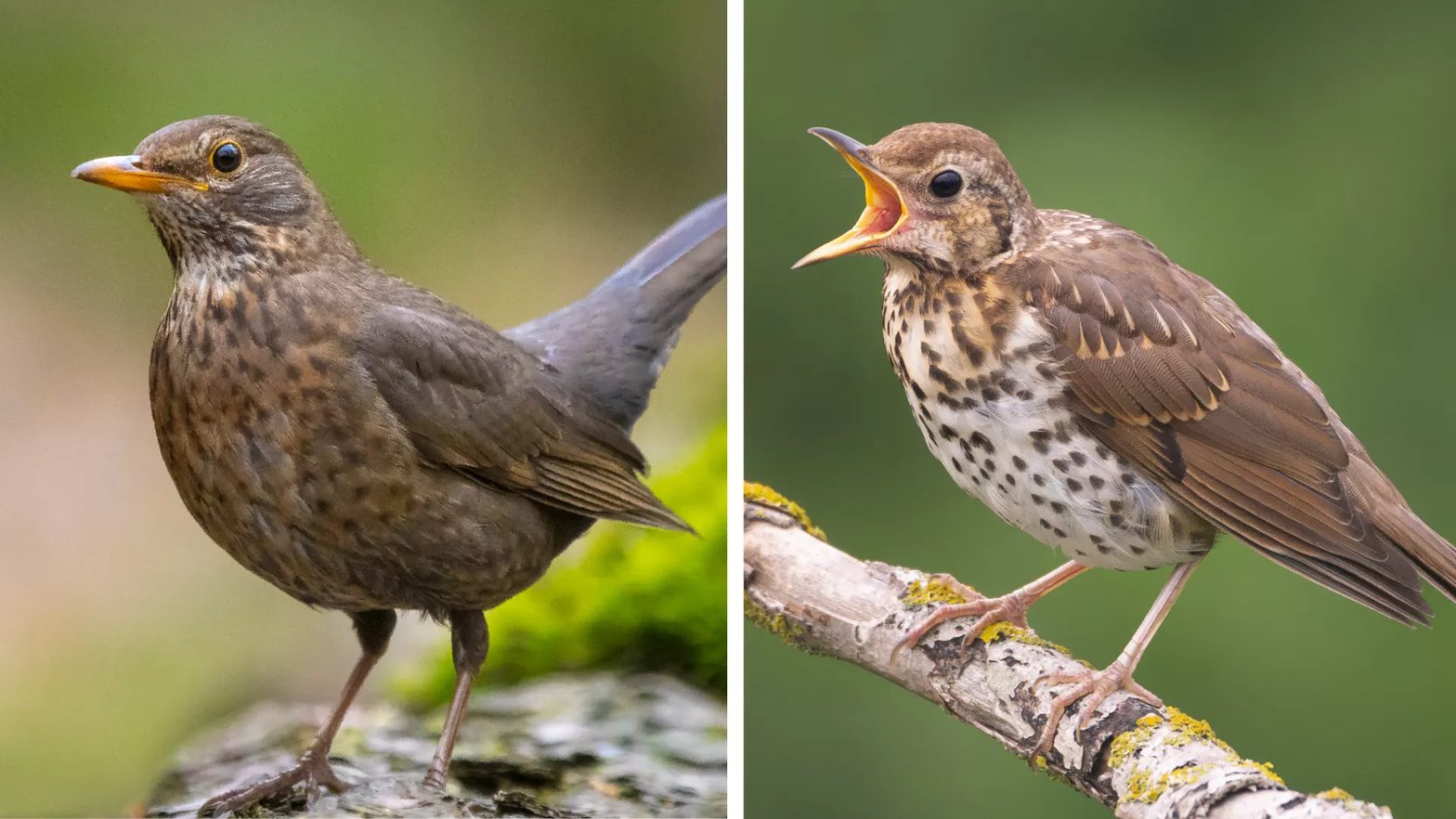
A female blackbird (Turdus merula) on the left and a song thrush (Turdus philomelos) on the right.
👂 Lend an Ear!
Birdsong is one of nature's most enchanting spectacles — but did you know it’s actually a form of coded language? Behind these beautiful morning melodies lies a powerful message: birds use their songs to mark their territory, ward off rivals, and attract mates. Imagine them as solo performers in a vast arena, each declaring, "This is my turf!" Singing allows them to defend their space and draw attention without resorting to physical conflict (source: BirdLife International).
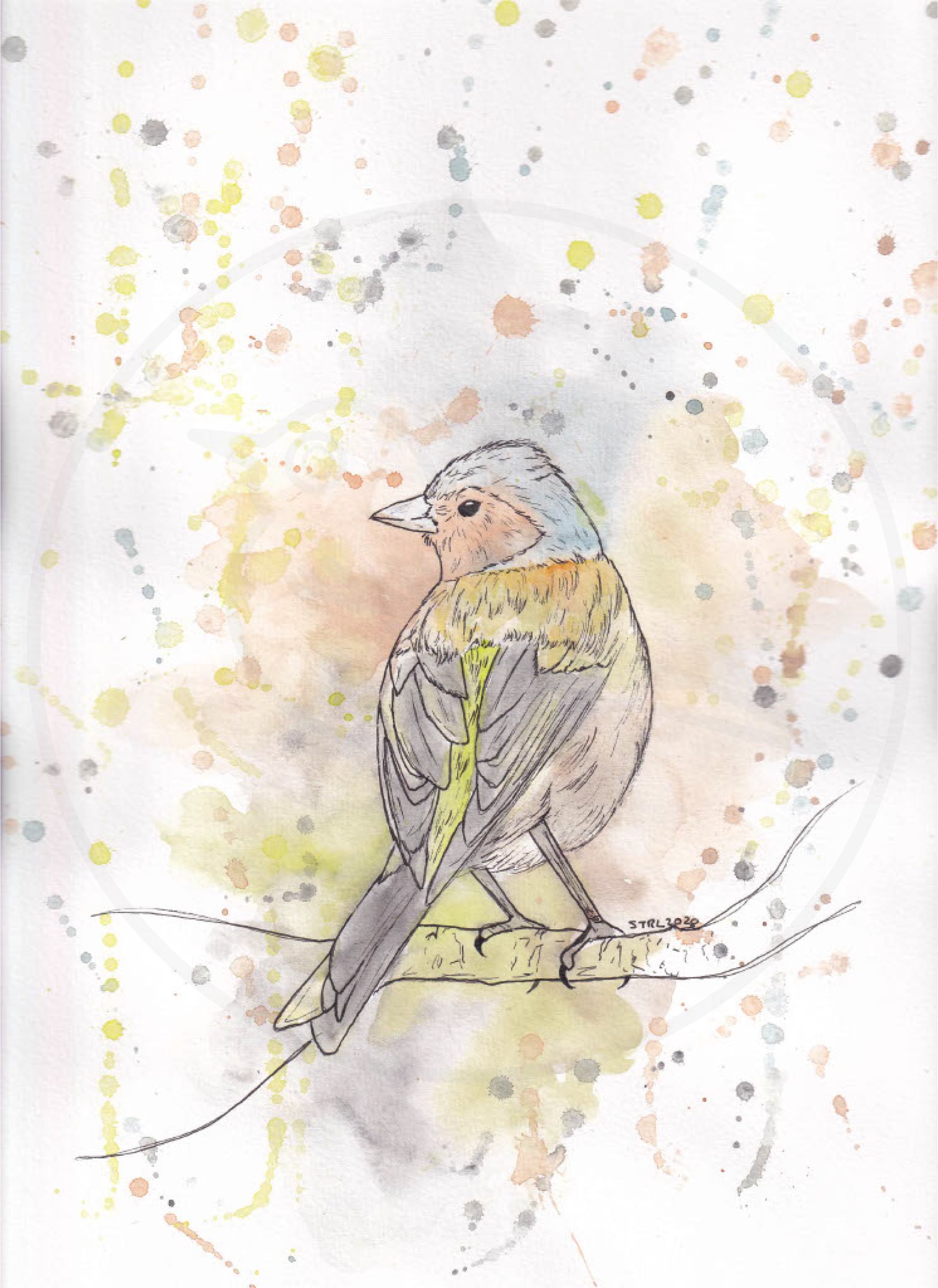
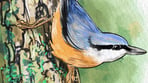
"The Female Chaffinch", created by @clairestrl, an Animal Portrait Artist who has specialized in watercolor for nearly 5 years. She primarily focuses on creating portraits of domestic animals, combining precision with sensitivity. At the same time, she explores a freer artistic universe through the depiction of various bird species, while maintaining a distinctive artistic signature.
It's also important to distinguish between songs and calls. Songs are typically melodic and rhythmic, used mainly by males during the breeding season to attract females and signal their presence. They're generally easier to identify for beginners. In contrast, calls are shorter, sharper, and often serve as alarm signals, expressions of fear, or ways to coordinate movements (source: National Audubon Society).
If you want to learn to recognize these sounds, the YouTube channel La Minute Nature is a fantastic, free resource. They offer videos explaining bird songs, like this dedicated playlist: Discover Bird Songs. Even better, La Salamandre provides a free online course to help you decode these songs: Learn Bird Songs.
Pro tip: start in winter, around January, when the first singers arrive gradually. In spring, the sheer cacophony can be overwhelming, making it hard to differentiate between species. Robins are, for example, among the first to sing their hearts out at the end of winter!
Finally, for those just starting out, consider downloading handy apps like Merlin or BirdNET, which work like a "Shazam" for birds, identifying species based on their songs. You can also explore Xeno Canto, a massive online database dedicated to nature sound recordings from all around the world. Dive into thousands of bird songs and calls, organized by region and species. Get lost in it — it’s a lot of fun! 😊
And to go further…
To improve while having fun, identification quizzes are available online, notably on oiseaux.net, which offers games to recognize birds. I tried it and I’ve already reached level 5! 🤩
To participate in practical training, check with naturalist associations that regularly organize field trips dedicated to bird identification. These field moments with enthusiasts are very enriching to learn how to observe details and ask questions.
Why not turn your walks into little challenges? For example, try to identify 3 different bird songs or spot 5 species in one week.
Here is a list of useful resources for beginners as well as more advanced bird lovers:
Mobile Apps:
Merlin (Cornell Lab) – Excellent for identification by photo, song, or description.
BirdNET – For identifying bird songs, based on AI.
Websites and Online Platforms:
Oiseaux.net – Detailed profiles, photos, and quizzes for practice.
Xeno-Canto – A huge global database of bird songs, with the possibility to contribute your own recordings.
LPO France – Information on French birds and birdwatching outings.
eBird – A global platform to record your observations and check others’ sightings.
YouTube Channels and Educational Videos:
Books and Field Guides:
Guide Ornitho (Svensson, Mullarney, Zetterström) – The essential reference for bird identification in Europe.
Peterson Field Guide to Birds of North America – The classic guide for North America.
Birdsong for the Curious Naturalist (Donald Kroodsma) – For those wanting to explore bird songs in detail.
Communities and Social Networks:
Facebook/Reddit groups or Birds of the World to share your observations.
Specialized forums and ornithology Discord servers.
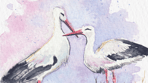
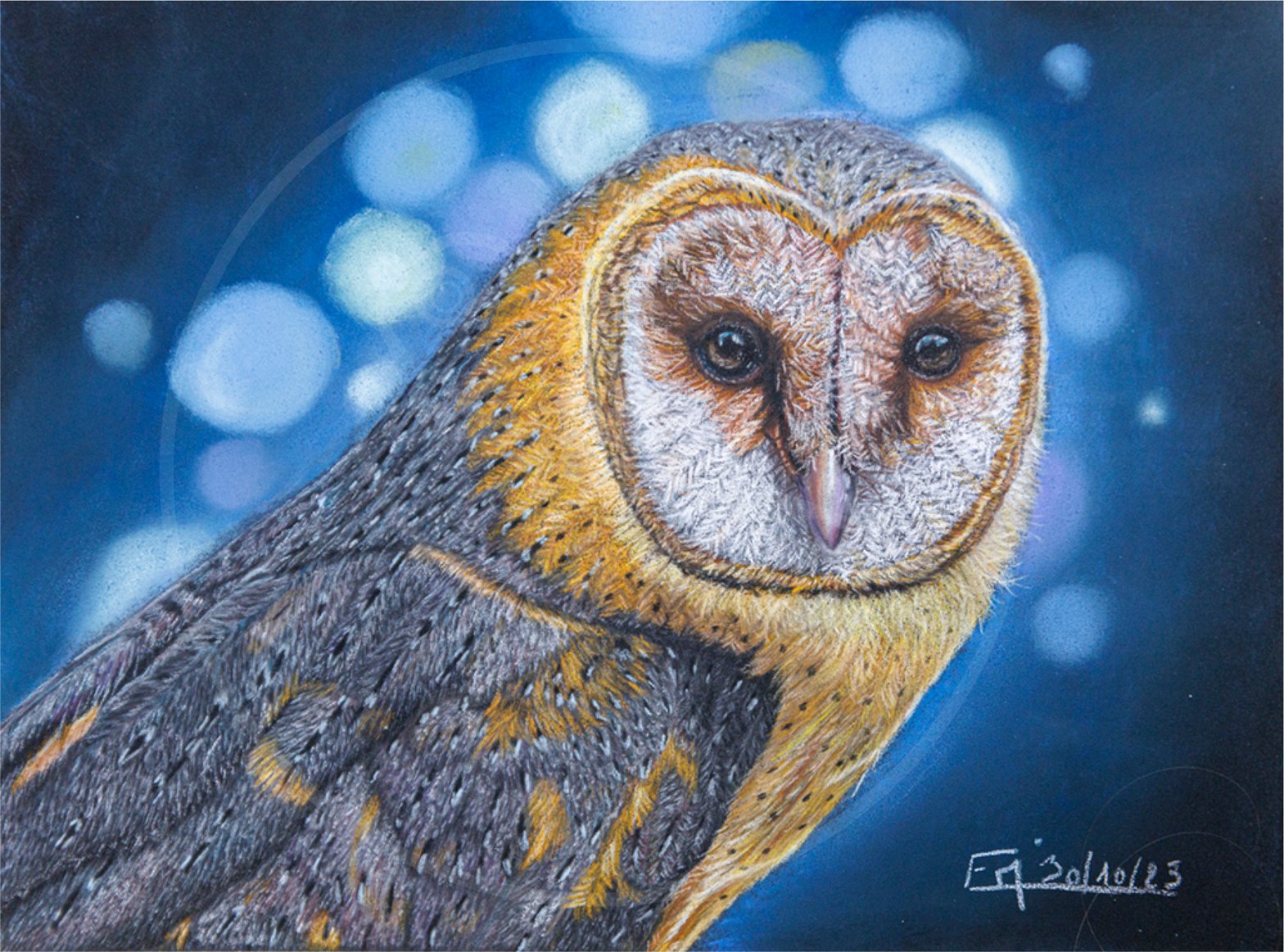
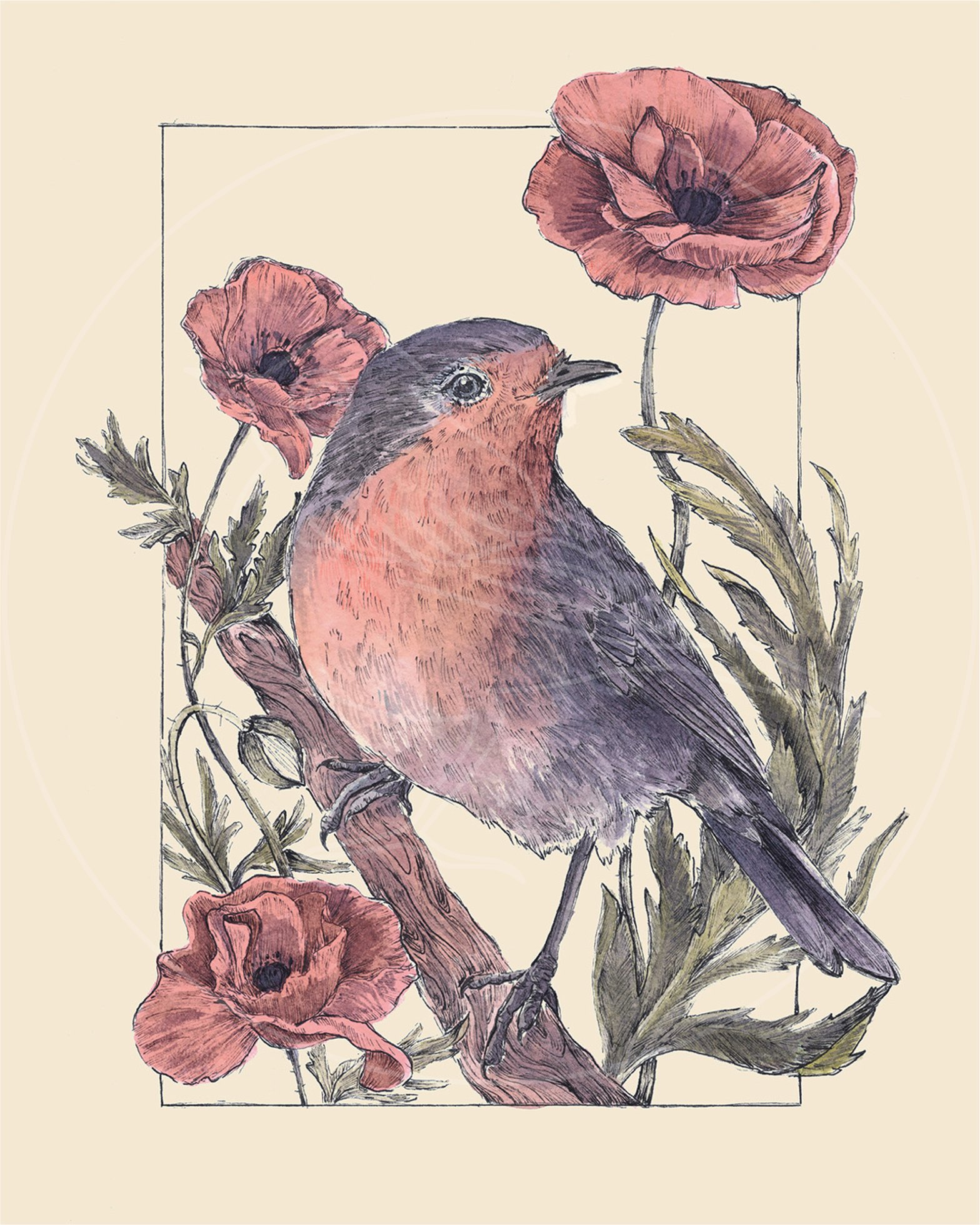
Erell, also known as @erell_pastel, illustrates animals with both tenderness and precision, using her favorite medium: soft pastel. 📩 erell.pastel@gmail.com 🌐 erellpastel-animalier.fr
I hope you enjoyed this newsletter!
See you soon for more cool anecdotes about birds 👀
🕊️ I need your help to make Berthelot fly further! 🙏
🎁 Support me by visiting the Berthelot Shop or by downloading a mobile wallpaper!
You'll find a gallery of all the birds I've drawn since the start of the project. Every purchase will be converted into a donation for bird protection associations.
👆Et/Ou 👇
Share your personal link (and earn rewards based on the number of subscribers who sign up!) 🎉
Link to be found at the bottom of the newsletter 😇
A newsletter written by :

🕊️ Berthelot (English 🇬🇧)
🕊️ Berthelot (English 🇬🇧)