

Hi there! Hope you're feeling fantastic this week! 🤩
There have been quite a few storms lately — I hope you haven’t had to deal with too much damage or flooding in your area.
As for me, I just got back from the Flows Festival — a wonderful break to recharge, meet inspiring people, and explore (or dive deeper into) practices like yoga, Qi Gong, sound meditation, sharing circles, and intuitive dance. It’s a human-scale festival focused on reconnecting with yourself and others — and you get to enjoy the collective energy of an event without ending up completely drained. In short: a refreshing breath of fresh air, surrounded by nature 🌿. More info here (no sponsorship involved, I just loved it).

And speaking of nature… with the rising temperatures lately, here’s a small but meaningful reminder: please consider leaving out fresh water for birds (and other small animals) in your garden or on your balcony. Choose a shallow container, change the water regularly to avoid mosquitoes and parasites, and make sure it’s shaded — stagnant water in full sun can sadly become deadly for birds. It’s a simple gesture, but an essential one during heatwaves 🐦💧.
Today, I’m trying out a special format: a deep dive into the fascinating world of bird migration. I hope you enjoy it! 😇
Wishing you a great read!
Emma
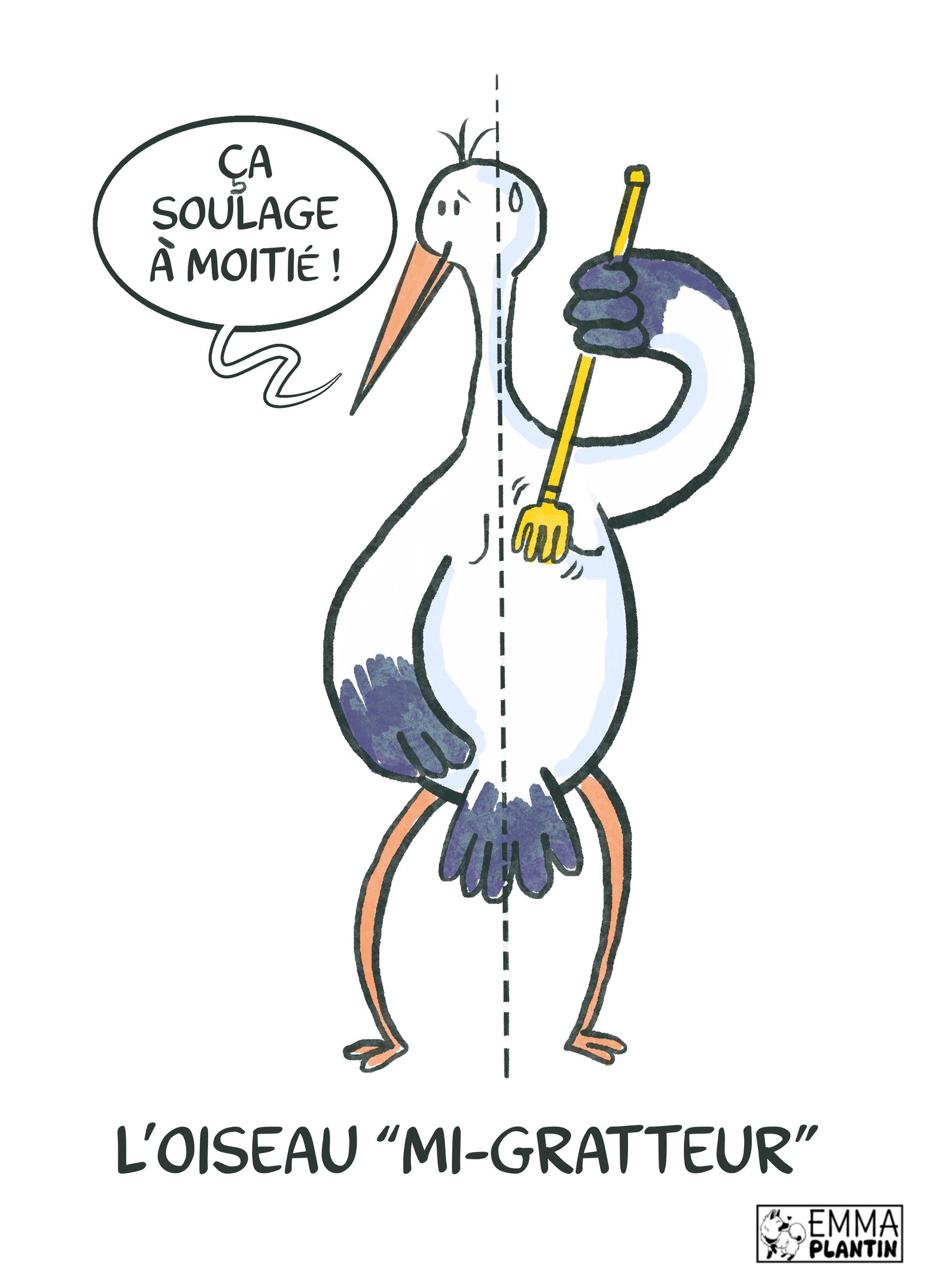
P.S. The drawing below is about a pun from my grandpa :
In French, "migrateur" means "migratory" (like a migratory bird), and it sounds very close to "mi-gratteur", which means "half-scratcher".
So he’d say,
“Un oiseau migrateur, c’est un oiseau qui ne se gratte que d’un côté.”
(A migratory bird is a half-scratching bird.)
🪶 Totally nonsensical, but it made us laugh every time 😄
Introduction
Definition & Key Concepts
Bird migration refers to the seasonal, recurring movement between breeding grounds (spring/summer) and wintering areas (autumn/winter).
These often intercontinental journeys reflect an ancient intrinsic behavior, driven by hormonal changes, day length (photoperiod), and physiological adjustments — such as building up fat reserves.
Key Figures :
About 4,000 bird species migrate each year — that’s roughly 40% of all known bird species. A global phenomenon: nearly 1 in 2 bird species is migratory!
🧭 Why Do Birds Migrate?
Migration is primarily about survival. Birds move to find abundant food and favorable weather, especially for breeding. In summer, temperate zones (like Europe or Canada) offer a burst of insects, fruits, and vegetation — perfect for feeding chicks. But when winter returns, these resources vanish.
Species like swallows, swifts, or cranes travel thousands of kilometers to reach their wintering grounds in Africa or South Asia. Others, like the goldcrest, migrate shorter distances to avoid extreme cold.
🔬 Research has shown that day length (photoperiod) triggers hormonal changes that physically prepare birds for migration: weight gain, navigation skills, and increased endurance. (Source: Audubon)
🎥 Watch: Why Do Birds Migrate? – A great under-5-minute explainer.
🗺️ Flyways: The Birds' Highways
Birds don’t fly randomly. They follow well-established migration routes known as flyways — vast natural corridors (coastlines, mountain ranges, river valleys) that help them navigate and find resting and refueling spots critical for survival.
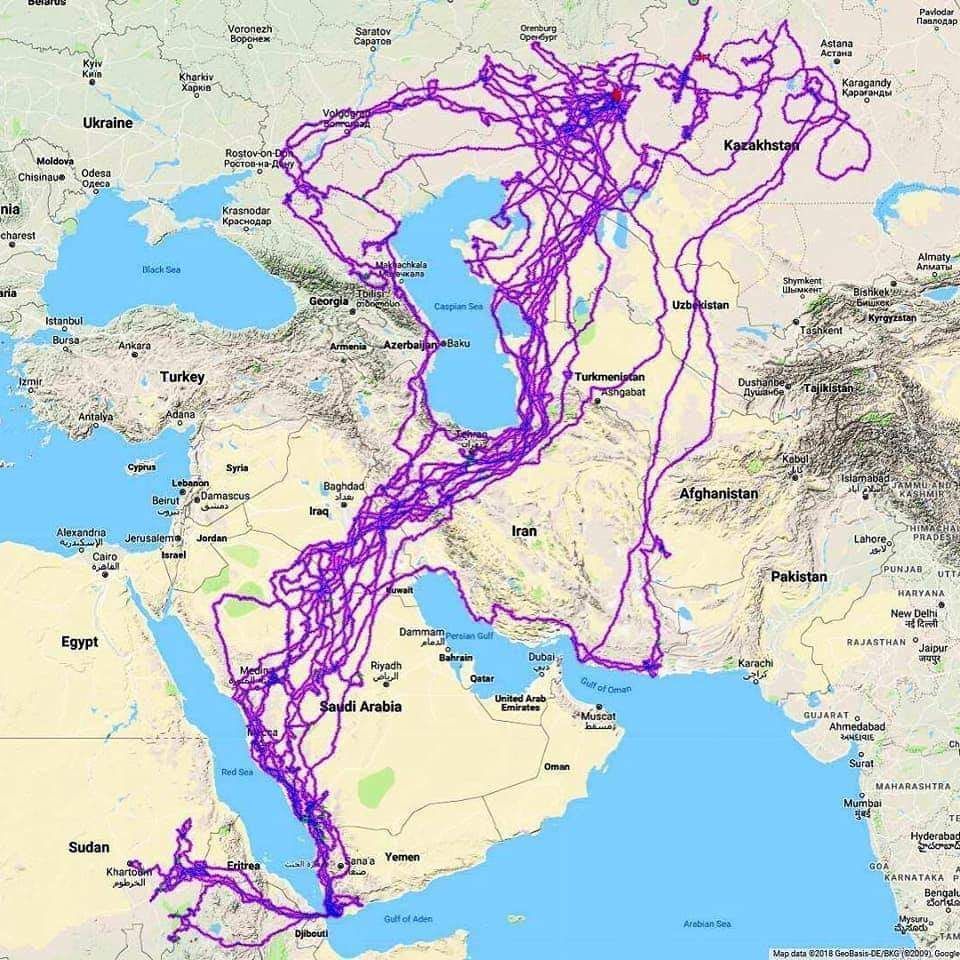
This is the 20-year flight path of a single eagle. It crosses human borders and conflict zones in the Middle East — a powerful reminder of nature’s indifference to geopolitics. (Source: Maxime Blondeau, Cosmographe)
Full study here → ResearchGate
In North America, there are four major flyways:
The Pacific Flyway (along the west coast),
The Central Flyway (through the Great Plains),
The Mississippi Flyway (the most densely used),
And the Atlantic Flyway (from the Arctic to the Gulf of Mexico).
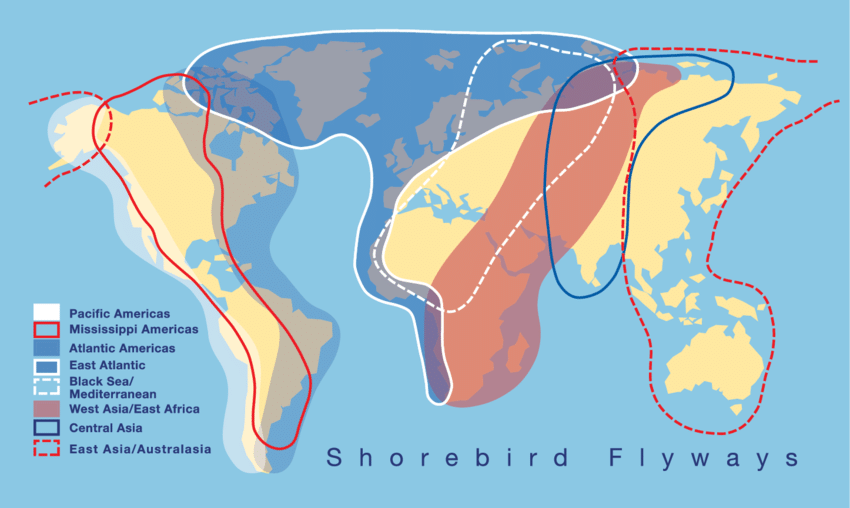
Each year, millions of birds use these routes for their seasonal journeys. In Europe and Africa, major routes like the East Atlantic Flyway cross countries like France, Spain, and the Sahara Desert.
📍 North American Flyway Map (PerkyPet)
🎥 Also worth watching: Explainer video (just 2 mins!)
🏅 Epic Migration Feats
Some birds perform incredible athletic feats during migration:
Arctic terns hold the world record: they travel up to 80,000 km per year (round-trip from the Arctic to Antarctica) — that’s twice around the Earth! → Source
Bar-tailed godwits can fly non-stop for over 11,000 km — from Alaska to New Zealand — in 8–10 days without food or water. One individual even made a 13,560 km journey in 11.5 days, averaging 50 km/h without landing once! → France Bleu source
Common swifts are another story: they can spend up to 10 months in continuous flight. They eat, drink, sleep (in slow flight), and even mate mid-air! Their neurons can activate asymmetrically to allow them to "sleep while flying". (Source: Max Planck Institute) 👉 My article about the common swift here
Even tiny ruby-throated hummingbirds cross the 800 km-wide Gulf of Mexico non-stop, despite weighing just a few grams. → Le Devoir article
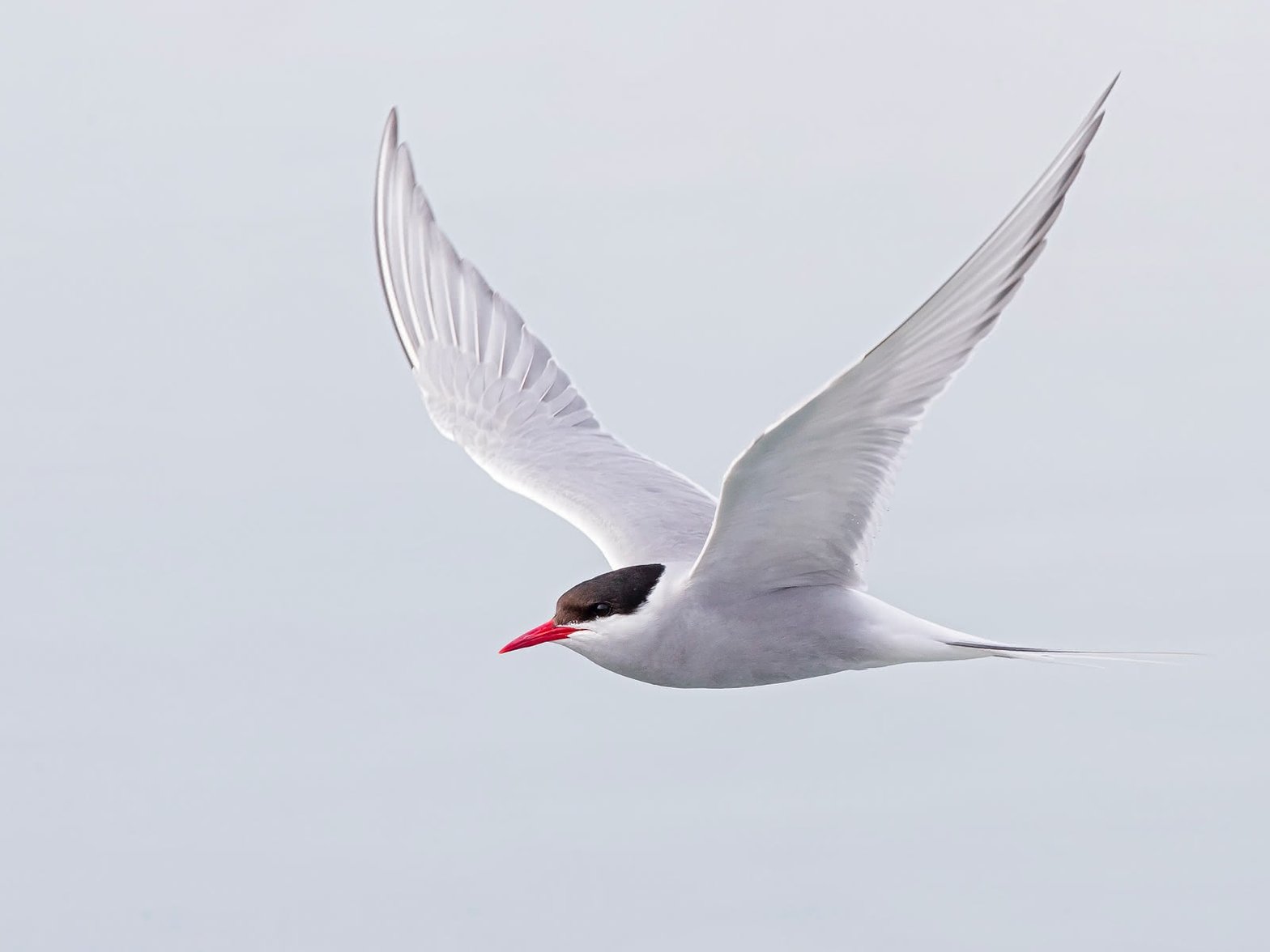
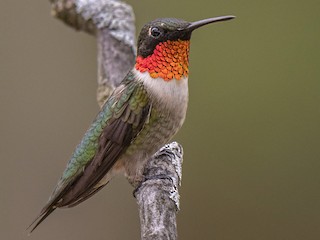
📺 More crazy records 👉 Watch here
🧠 Navigation & Superpowers
You might be wondering: How do birds know when to migrate, where to go, and how to get there?
The answer lies in a stunning mix of navigation skills and physical transformation:
🧭 Their built-in compass:
Birds navigate using:
The Sun and stars (especially young birds at night),
Earth’s magnetic field, detected via specialized receptors in their beaks or eyes (still under study),
Landmarks like coastlines, mountains, and rivers — especially used by experienced birds.
⚛️ A groundbreaking discovery revealed that birds like the European robin may use quantum effects to detect magnetic fields!
📚 Sources: ScienceDirect article, Scientific American
🔋 Bodies built for performance:
Before migrating, birds:
Store up to 50% of their weight in fat, a super energy source,
Temporarily shrink organs (like their digestive system) to reduce weight,
Boost pectoral muscle mass for long-distance flight.
📚 Source: Audubon
These changes are triggered by light cues (photoperiod) and managed by hormones like melatonin and cortisone.
illustration - Kyle Bean

⚠️ Threats & Conservation Challenges
Every year, migratory birds push themselves to the limit — but now they’re facing mounting threats, most of them human-made.
According to a report by the UN University, 40% of migratory bird species are in decline, mainly due to habitat loss, climate change, pollution, and illegal hunting. Over 20% of tracked species are at risk of extinction.
🎥 How you can help → 5 Ways to Help Migratory Birds
🎥 More context here → Threats & Solutions
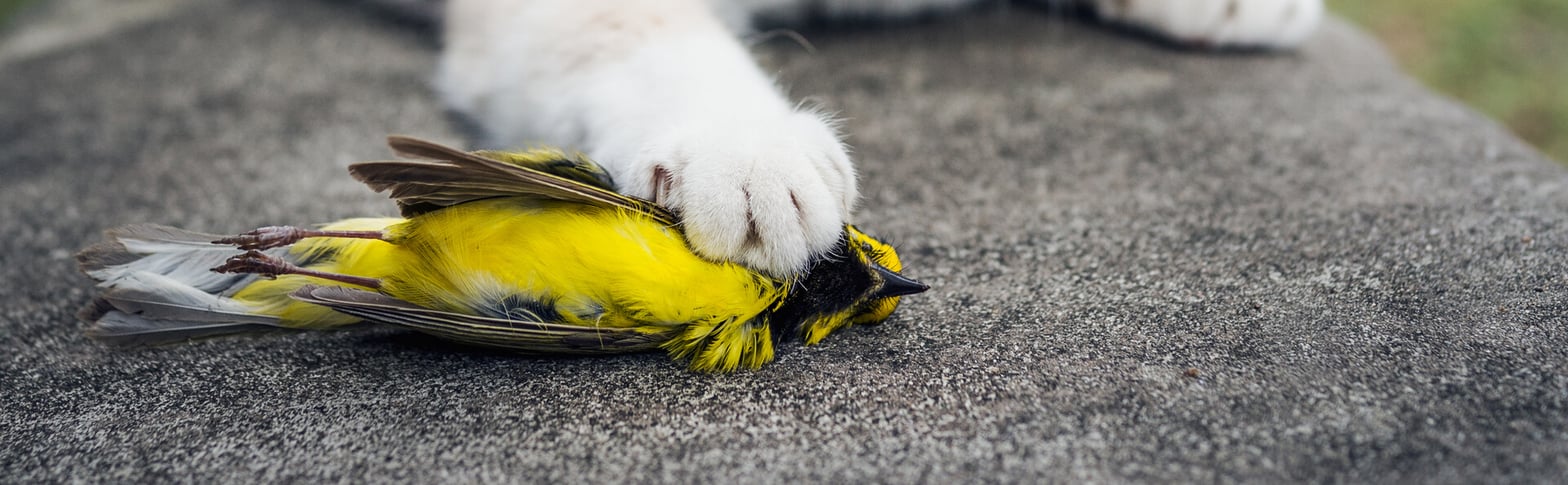
💡Bonus tip: Domestic cats are a major threat to birds. If you have a free-roaming cat, consider keeping it indoors during breeding seasons — especially early morning and evening.
More info → Cats & Birds – American Bird Conservancy
✉️ In Summary
Migratory birds accomplish breathtaking feats year after year — driven by ancient instincts, incredible physical and neural adaptations… but increasingly threatened by our human activity.
Thankfully, each of us can give them a little lift 🕊️ — by leaving out shaded water, planting native vegetation, reducing night-time light pollution… and most of all, staying curious and amazed.
Until next time,
— Berthelot ✍️
P.S. If you’re truly fascinated and want to dive deeper, I recommend this beautiful full-length documentary: 🎥 The Greatest Bird Migration
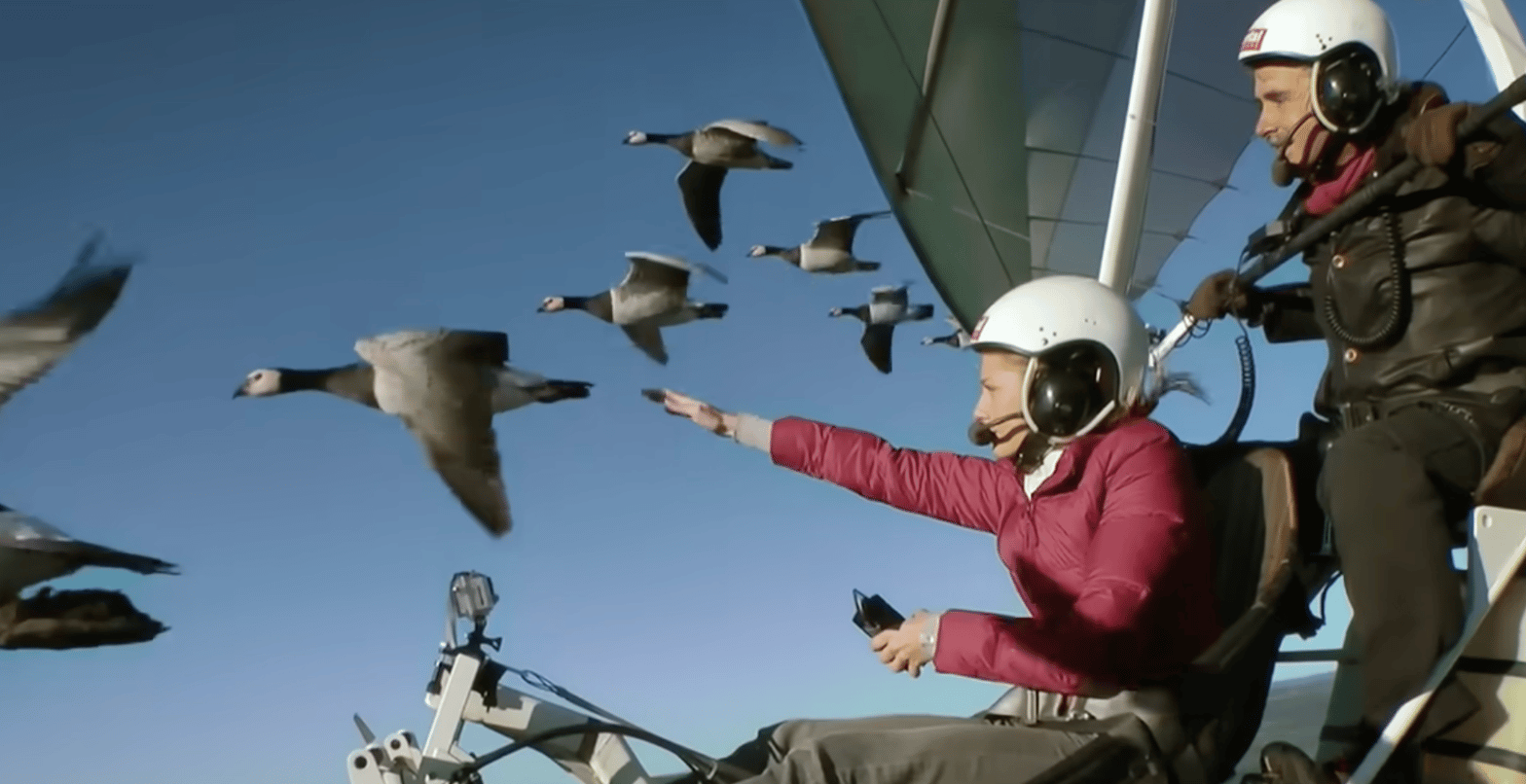
I hope you like these anecdotes !
See you soon for more cool facts about birds 👀
🕊️ I need your help to make Berthelot fly further! 🙏
🎁 Support me by visiting the Berthelot Shop or by downloading a mobile wallpaper!
You'll find a gallery of all the birds I've drawn since the start of the project. Every purchase will be converted into a donation for bird protection associations.
👆Et/Ou 👇
Share your personal link (and earn rewards based on the number of subscribers who sign up!) 🎉
Link to be found at the bottom of the newsletter 😇
A newsletter written by :